Academic Editors
The following people constitute the Editorial Board of Academic Editors for PeerJ. These active academics are the Editors who seek peer reviewers, evaluate their responses, and make editorial decisions on each submission to the journal. Learn more about becoming an Editor.



Davide Barreca
Davide Barreca is an Associate Professor of biochemistry at the University of Messina. He is specialized in enzyme modulation by natural compounds, inhibition of protein aggregation and activation of signal apoptotic cascade. Most of his research projects concentrate on separation and identification of unknown flavonoids, structural-activity elucidation, and biochemical analysis of their health promoting or cytotoxicity properties on cells culture. He is author of over 110 papers in peer-reviewed journals, 35 chapters in books, and 70 conference proceedings and reviewer of over 40 international scientific journals.
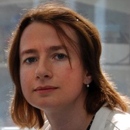
Elizabeth G. Laird
My research goals are to characterise the mechanisms of collagenous tissue development, repair and renewal. Current research interests include understanding the dynamics of collagen synthesis and turnover, the role of stem cells in musculoskeletal homeostasis and the role of glucose in musculoskeletal ageing. Tissues of interest are primarily tendon and ligament but include cartilage, bone, cornea and intervertebral disc, as well as fibrotic tissue.
This research is important because age-related degeneration and loss of function in musculoskeletal tissues is associated with chronic joint pain, limited movement, tendinopathy, ligament damage, intervertebral disc degeneration and osteoarthritis. There is both a loss of tissue integrity and propensity to fibrosis indicating that homeostasis of the collagenous extracellular matrix is lost with age. Understanding the molecular processes that create functional musculoskeletal tissues during development and growth, and which malfunction or cease to operate in aged tissues is key to developing new strategies for tissue engineering, to activate intrinsic stem cell repair mechanisms and to develop beneficial pharmaceutical, dietary or exercise-based interventions in an increasingly aged society.
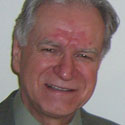
Piotr Chomczynski
Founder, Molecular Research Center, Inc. (MRC). Inventor of the single-step method of RNA isolation. Active in Science to Business projects.

Michael T Lynskey
Professor of Psychiatry at Washington University School of Medicine

Ludovic Orlando
Ludovic Orlando is a former student from the Ecole Normale Superieure of Lyon (ENS, 1996-2000), one of the top-5 French universities. First trained as a molecular biologist, he got more recently interested in computational biology and programming.
He received his PhD in molecular genetics from the University of Lyon, France in 2003, almost twenty years after the first ancient DNA molecule was ever sequenced. Trained in phylogenomics as a postdoc (CNRS EA 3781), he was rapidly appointed as a permanent Associate Professor at the prestigious ENS Lyon, where he taught and performed research between 2005 and 2010. He moved to the Centre for GeoGenetics, Natural History Museum of Denmark, Copenhagen, in April 2010 to start his own research group. He was appointed as a full Professor in Molecular Archaeology in March 2016 and started in December 2016 a five year, ERC-funded project on horse evolution.
His group develops integrative approaches in ancient DNA research, promoting the field of palaeomics by the merger of biochemistry, molecular biology, genomics and computational biology.
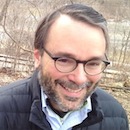
Eli N. Perencevich
Professor of Internal Medicine and Epidemiology at the University of Iowa Carver College of Medicine. Director, Center for Comprehensive Access and Delivery Research & Evaluation (CADRE), Iowa City VA Healthcare System. Primary research areas: infection prevention, multi-drug resistant bacteria, Staphylococcus aureus

Andrew P Grieshop
Associate Professor, Department of Civil, Construction and Environmental Engineering, North Carolina State University.
Research interests include the sources and evolution of atmospheric aerosols, characterization of in-use emissions from mobile and stationary combustion sources, linkages between air pollution emissions and climate change, air pollution exposure assessment, technical policy analysis of the environmental impacts of energy systems, and energy and environment in developing countries.

Giuseppe Parrella
Dr. Giuseppe Parrella is a Senior Researcher at the Institute for Sustainable Plant Protection of CNR, Italy.
Dr. Parrella's primary areas of expertise include plant virology, specifically with particular reference to bio-molecular characterization, diagnostics and epidemiology. He also considers Phytoplasmas and viroids among his study interests.
Dr. Parrella's current research topics include the study of the biological-molecular variability of the main viruses of horticultural, ornamental and aromatic crops; the development and validation of sensitive and highly specific diagnostic methods for the rapid diagnosis of viruses, with particular reference to emerging or recently introduced viruses and spread throughout the national territory (RT-PCR, cold probes, LAMP, real time RT-PCR, etc. .). Other interests of Dr. Parrella concern the research and characterization of sources of resistance to viruses in wild or cultivated germplasm; the use of beneficial microorganisms and their metabolites in the control of viroses; the identification and characterization of mitochondrial variants of Bemisia tabaci and of the associated geminiviruses and endosymbionts; the study of the impact of phytoviruses on human health.
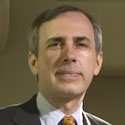
Michael A. Rogawski
Professor, Department of Neurology, School of Medicine; Pharmacology and Toxicology Graduate Group; Center for Neuroscience; University of California, Davis. Past president, American Society for Experimental NeuroTherapeutics. Academic editor of 9 journals. Co-founder of Epilepsy Currents, the journal of the American Epilepsy Society.
I received a B.A. (biophysics) from Amherst College, and M.D. and Ph.D. (pharmacology) degrees from Yale University. I was a resident, fellow and assistant professor in the Department of Neurology at the Johns Hopkins University School of Medicine. For over 20 years, I was a senior investigator and chief of the Epilepsy Research Section at the National Institute of Neurological Disorders and Stroke. My research interests involve ion channel pharmacology and neurological therapeutics, including antiepileptic drugs and other epilepsy treatment approaches.

Oriol Jorba
Oriol Jorba born in Barcelona (Spain, 9 July 1975), Industrial Engineer (Technical University of Catalonia - UPC-, Barcelona, Spain, 1999); Ph.D. in Environmental Engineering (Technical University of Catalonia -UPC-, Barcelona, Spain, 2005). In 2005, he was enrolled as researcher at the Earth Sciences Department of the Barcelona Supercomputing Center, and in 2008 moved to the Atmospheric Modelling Group Manager position at BSC. Since 2016, he is senior researcher of the Atmospheric Composition Group at BSC. He has participated in projects funded by the European Commission and the Spanish Government on air quality, aerosols, and in the application of atmospheric modeling in HPC. He has lead the research project on the development of the multiscale chemical weather forecasting system NMMB-MONARCH which is the official model used by the Barcelona Dust Forecast Center (BDFC), the World Meteorological Organization (WMO) Regional Meteorological Center specializing in Atmospheric Sand and Dust. As scientific reviewer of the Scientific Commission of the Spanish National Research Program, his research expertise includes high resolution mesoscale meteorology and air quality, development of online meteorology-chemistry models, boundary layer, atmospheric chemistry studies and environmental impact assessment.

Jorddy Neves Cruz
Dr. Jorddy Neves Cruz is researcher in Federal University of Pará and Paraense Emílio Goeldi Museum. His research focuses on (1) Medicinal Chemistry, with a particular emphasis on natural products and drug discovery/ design; (2) Extraction and characterization of compounds of natural origin (isolated compounds, essential oils, and fixed oils); (3) molecular modeling approaches and (4) evaluation of biological activities and pharmacological potential of natural compounds.

Anja Linstädter
Anja Linstädter is a Senior Lecturer at the University of Cologne and head of the Range Ecology and Management Group. Her research focuses on global change impacts on managed terrestrial ecosystems. She is particularly interested in the interactive effects of global change agents - such as grazing and drought - on the functioning of African drylands, and in consequences for ecosystem service delivery. Ultimately, her research aims at designing ecosystem-based management strategies.