Advisory Board and Editors Biotechnology



Diaa Abd El-Moneim
My academic journey began with an MSc in Plant Breeding and Genetics at Suez Canal University, where my research focused on evaluating drought tolerance and disease resistance in wheat, providing a solid foundation in abiotic stress tolerance. This early work fueled my commitment to understanding and addressing plant resilience under stress conditions. Thanks to an Erasmus Mundus scholarship, I pursued my PhD at Complutense University of Madrid, where I investigated the molecular mechanisms underlying aluminum stress tolerance in rye. Notably, I was awarded a postdoctoral fellowship funded by AECID just before defending my thesis—a pivotal achievement that underscored the relevance of my research. This fellowship enabled me to join the National Center of Biotechnology (CNB) in Madrid. I gained expertise in proteomics, gene expression analysis, and molecular tool development to improve plant abiotic stress resilience. These experiences greatly expanded my knowledge of gene regulation and stress physiology and led to high-impact publications in peer-reviewed journals.
Dr. Abd El Moneim’s research encompasses multiple domains, including the study of morphological , physiological, and molecular mechanisms that govern plant responses to stress factors such as salinity, drought , aluminum toxicity, heat, and pathogens. His work in identifying gene families and stress-responsive proteins is complemented by his efforts to apply DNA barcoding and chloroplast genomic assemblies for species identification and development of molecular markers, as well as contributing to taxonomical and evolutionary concepts and identifying transcriptional regulators critical for stress adaptation, with particular emphasis on crops like wheat and wild plants adapted to extreme environments. His methodologies include designing and analyzing field trials , protein analysis, nucleic acid extraction, fingerprinting , GWAS , and the characterization of chloroplast genomes. Dr. Abd El Moneim’s expertise in molecular breeding and genomics focuses on improving abiotic stress tolerance in staple crops, especially for agriculture in developing countries.

Hani Nasser Abdelhamid
Education
2013-2017: PhD from Department of Materials and Environmental Chemistry, Stockholm University, Sweden. Title ʺLanthanide Metal-Organic Frameworks and Hierarchical Porous Zeolitic Imidazolate Frameworks: Synthesis, Properties, and Applicationsʺ
2011-2013: M.Sc in Nanobiomedicine, National Sun-Yat Sen University, China (ROC)
2009-2010: Pre-Master–Physical Organic Chemistry-Assuit University, Egypt, Grade: 3.4 (87.71%).
2003-2007: B.Sc Chemistry Department–Assuit University- Egypt, Grade: 3.32 (84.059%)
Research Experience & interest
The research interest of Hani Abdelhamid is focused broadly on science and technology at the nanoscale and for material science to push scientific boundaries in diverse areas of biochemistry, biology, biomedicine biotechnology, nanocatalysis and laser based analytical. The main thrusts are concentrated on the topics as below:
1) Nanotechnology: synthesis, characterization, and applications.
2) Material Chemistry, synthesis, characterization, and applications.
3) Metal-Organic Frameworks (MOFs), synthesis, characterization, and applications.
4) Inorganic and structural chemistry.
5) Analytical Chemistry.
6) Solar cells and Nanocatalysis.
7) Nano-Biomedicine and Nano-Biotechnology.
8) Biochemistry and Biochemical research methods.
9) Metallodrug-protein interactions using Nanomaterials based- laser analytical tools.
10) Biosensor based on nanomaterials for pathogenic bacteria and biomolecules.

Mohd Adnan
Prof. Dr. Mohd Adnan is a Principal Investigator and Head of Academic Committee at Department of Biology, College of Science, University of Ha'il, Saudi Arabia. He did his PhD from University of Central Lancashire, UK; Master’s and Bachelor’s degree from Bangalore University, India; Post Graduate Diploma in Bioinformatics from SJAIT, India. He has more than 14 years of research, teaching and administrative experience. In his professional capacity, he has received various travel, observership and research grants as a Principal Investigator from various prestigious organizations.
He has successfully published 250+ publications in internationally recognized peer reviewed reputed journals, several book chapters for internationally renowned publishers and presented many papers and posters in various conferences/workshops globally. He has published widely in the field of phytomedicine, biofilms, drug discovery, natural products, nutraceuticals and functional foods with specialization in plant-based antibiofilm and anticancer agents, microbial biosurfactants, biofilms in food industry and medical settings, probiotics and cancer biology, novel biomolecules for/as health and antimicrobial agents.
He has reviewed 400+ manuscripts for 70+ internationally recognized peer-reviewed JCR journals and grant reviewer for many prestigious universities and organisations. In addition, he is a member of SFAM, UK and ESCMID, Switzerland and an Elected Member of Royal Society of Biology, UK. He also currently holds different editorial positions (Associate, Academic, Guest and Review Editor) in various esteemed journals and has edited 500+ manuscripts.

Arti Ahluwalia
Associate Prof. of Bioengineering, University of Pisa, Head of In-Vitro Models Group and NanoBioscopy Lab at the National Council of Research Institute of Clinical Physiology (CNR-IFC). Also involved in capacity building in the field of Biomedical Engineering, in association with UNECA and FABLAB Pisa .Author of over 100 peer-reviewed publications and of several patents on microfabrication and on bioreactors, co-founder of 2 high-tech companies.

Zekiye Sultan Altun
The Zekiye Altun Professor of Biochemistry and Basic Oncology, Dokuz Eylul University. Member of the Cell Death Research Society of Turkey and Basic Oncology Society.

Nitin Amdare
Dr. Nitin Amdare is a Professional Researcher in the Department of Diabetes at UCSF, CA. His research focuses on mechanisms of immune tolerance and autoimmunity in T1D. He is exploring how defects in thymic selection contribute to the development of autoreactive T cells and autoimmune disease. Drawing on his experience in T-cell biology and mouse models, he aims to identify key factors that regulate immune tolerance and develop strategies to restore immune balance in T1D and related disorders, with a focus on translating these findings into clinical application.

Praveen Arany
Training: Dentistry, Biomedical Research, Bioengineering, Pathology
Postdoctoral: TGF-beta, wound healing, regeneration, radiation biology, light biology, stem cells, biomaterial, Lasers.
Current: Clinical translational research and molecular mechanism.
Positions: Past-President, NAALT; President-Elect WALT, Co-Chair SPIE, Chair, ASLMS
Interests: Signal Transduction, Lasers, Biological regulation, Photobiomodulation.
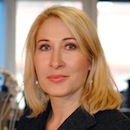
Sabine Bahn
Director of the Cambridge Centre for Neuropsychiatric Research at Cambridge University. Practising clinician (with an Honorary Consultant position in General Adult Psychiatry at Addenbrookes Hospital, Cambridge). Co-founder of Psynova Neurotech Ltd. Professor for Tranlational Neuroscience at Erasmus University Medical Centre, Department of Neuroscience, Rotterdam.

Paula Baptista
Paula Baptista is currently Auxiliary Professor at the Polytechnic Institute of Bragança (IPB), coordinator of the topic "Sustainable Agriculture and Innovative Agro-food Chains" of the “Mountain Research Center” and the convenor of the International Organisation for Biological Control (IOBC), working group ‘Integrated protection of olive crops”. Her main interests are focused on plant-microbe-insect interactions, biological control, plant microbiome and microbial biocontrol agents.
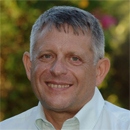
Edward A. Bayer
Professor, Wishner Chair of Bio-organic Chemistry. Early development of avidin-biotin technology. Co-discoverer of the cellulosome concept. Editor/Editoral Board: Biotechnology Advances, Biotechnology for Biofuels, Current Opinion in Biotechnology, Industrial Biotechnology. Member of Scientific Advisory Board, US-DOE BioEnergy Science Center (BESC). Sarstedt Research Award, The Ulitzky Prize, Fellowship of the American Academy of Microbiology and European Academy of Microgiology.

Travis Beddoe
Prof. Travis Beddoe is a multidisciplinary scientist, training initially as a plant biochemist before studying molecular chaperones in mitochondrial targeting as a PhD student (awarded March 2004), and eventually training in biophysical and structural biology in immune receptors as a postdoctoral researcher. He started his independent research career at Monash University with an NHMRC CDA fellowship (2008) followed by a Pfizer Australia Research fellowship (2010) in the area of glycan specificity in bacterial pathogenesis and physiology. Dr. Beddoe changed research fields when he was recruited to La Trobe University in 2014 as a senior lecturer to establish a laboratory focused on livestock-pathogen interactions in the School of Animal, Plant and Soil Science located in the AgriBio centre. His research is concentrated on aiding animal health with a focus on field-based diagnostics, molecular understanding of the role glycans and glycan-binding proteins play in disease pathogenesis and vaccine development.
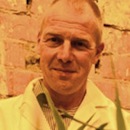
Gerrit T.S. Beemster
Professor of Biology at the University of Antwerp. Member of the Flemish Science Foundation review board. Editor of the journals Journal of Plant Research, Frontiers in Plant Science and PLOS ONE