Advisory Board and Editors Biotechnology



Dongliang Liu
Dr. Dongliang Liu is a Postdoctoral Associate in the Department of Surgery at the Baylor College of Medicine. His research interests include: Cancer therapy, especially for pancreatic cancer immunotherapy; Chimeric virus-like particles (VLP) vaccine, especially for cancer vaccines; Novel antibiotics development including antimicrobial peptides; Epitomics and multi-epitope peptide vaccine development for pathogenic viruses.


Florentine Marx
Associate Professor at the Medical University of Innsbruck. We are interested in the mechanistic function and structure of antimicrobial/antifungal proteins and peptides and the identification of target molecules for the development of new antimicrobial/antifungal therapies.

Leonidas Matsakas
Dr. Matsakas is currently Senior Lecturer at the Biochemical Process Engineering at Luleå University of Technology (Sweden). He received his PhD in Industrial Biotechnology from the school of Chemical Engineering at National Technical University of Athens (Greece) in 2015. His main research activities focus on the development of methods for the pretreatment and fractionation of lignocellulosic and aquatic biomass and the subsequent conversion of the cellulose, hemicellulose and lignin streams to biofuels, bio-based chemicals and bio-materials through biochemical and (thermo)chemical methods. He is also actively working on the development of mixotrophic and heterotrophic microalgae biorefinery processes for the production of high-added value compounds, such as omega-3 PUFAs, pigments and protein.

Shivam Mehta
Dr. Mehta has expertise in the biology of orthodontic tooth movement, mini-screw assisted rapid palatal expansion, Artificial Intelligence in dentistry and a passion for improving the health and wellbeing of Osteogenesis Imperfecta. Dr. Mehta is thankful to the American Association of Orthodontists Foundation (AAOF), Northeastern Society of Orthodontists (NESO), National Science Foundation (NSF) Innovation Corps (I-Corps) for supporting his research with more than 4 grants. He works as an Assistant Professor at Marquette University School of Dentistry, American Dental Association (ADA) Standard’s Committee - Represents the interests of United States regarding dental and orthodontic materials as an active member of ADA Standards Committee on Dental Products (SCDP)/Standards Committee on Dental Informatics (SCDI); Secretary American Dental Education Association (ADEA) Postgraduate Application Support Service Advisory Council; Northeastern Society of Orthodontists (NESO) Annual Planning Committee and moderator for scientific sessions; Past core-member of President’s Council on Race and Diversity.

Koji Mikami
Prof. Koji Mikami is Professor of Department of Food Resource Development in School of Food Industrial Sciences at Miyagi University, Japan. He is also President of the Japanese Society of Applied Phycology. Prof. Mikami received his PhD in Plant Science from Hokkaido University in 1990. His area of expertise focuses on the physiology and molecular biology of development and environmental stress response in seaweeds, and the biotechnology of seaweeds (gene transfer and genetic transformation, application of seaweed genes for land green plants).

Arindam Mitra
Dr. Arindam Mitra is a Professor of Microbiology with a specialization in Molecular Biology and Microbiology. He received his Ph.D. from the University of Maryland, College Park, Maryland, USA. After his doctoral studies, Dr. Mitra also worked as a postdoctoral researcher at the Arizona State University, Tempe, USA.
Dr. Mitra's research area includes microbial pathogenesis, biofilms, and vaccine development. Currently, he examines the development and regulation of biofilms in natural, industrial, and clinical settings.
He serves as a reviewer for several peer-reviewed scientific journals such as Food Research International, Access Microbiology, Journal of Medical Microbiology, Frontiers in Immunology, Frontiers in Microbiology, and many others. Dr. Mitra also serves as an editor for Access Microbiology, Microbiology Today, Canadian Journal of Infectious Diseases and Medical Microbiology, and Peer J Life and Environment.

Ipsita Mohanty
Dr. Ipsita Mohanty is a Research Associate II at the Children's Hospital of Philadelphia Research Institute
Her current research focuses on investigating the molecular mechanisms of nitric oxide signaling pathway at the proteome levels using multipronged approach of mouse genetics, ex vivo mechanistic functional study as well as high throughput mass spectroscopy techniques.
Dr. Mohanty has expertise in pharmacology, physiology, and proteomics with emphasis in intracellular signal transduction and GPCR signaling directed towards designing therapeutic strategies for cardiovascular disorders. Technical cognizance encompasses fields of Smooth Muscle pharmacology, Integrative Physiology, Contraction Physiology, Proteomics, Biochemistry, Molecular Biology, Bioinformatic Data Analysis (and related softwares) for Mass Spectrometry data and In-Vivo skills.

Héctor Manuel Mora-Montes
In 2010, I established the Laboratory of Fungal Glycobiology at Universidad de Guanajuato, Mexico, with the main goal to understand the synthesis mechanisms of the fungal cell wall and the interaction of medically relevant fungal pathogens with the host. This laboratory is characterized by its facilities to perform chemical, immunological, genetic, molecular, and cellular analyses of human fungal pathogens. Therefore, it is among a handful of research facilities within Mexico and Latin America offering a multidisciplinary and integral approach to understand the host-fungus interaction. Our group has a solid international reputation in the molecular and immunological studies of organisms belonging to the genus Candida and Sporothrix.

Daniel C Moreira
My research interests lie in the area of redox processes in biology and medicine. My main line of work investigates the role and underlying mechanisms of redox metabolism (i.e., reactive species and endogenous antioxidants) in animals during the depression of metabolic rate induced by environmental stresses, including projects that examine the modulation of antioxidant systems in animals exposed to oxygen deprivation and during other situations of metabolic depression. More recently and concurrently, I am also involved in the prospection of bioactive natural compounds (e.g., peptides from amphibians, plant extracts and phytochemicals) for health applications, with emphasis on antioxidant molecules.
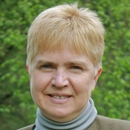
Ludmilla A Morozova-Roche
Professor of Medical Biophysics, Department of Medical Biochemistry and Biophysics, Umea University, Sweden. Editor of journal "Diseases".
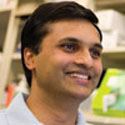
Kirankumar S. Mysore
Professor of Plant Biology at the Samuel Roberts Noble Foundation, Ardmore, OK, USA. Adjunct professor at the Department of Entomology and Plant Pathology, Oklahoma State University, Stillwater, OK.