Advisory Board and Editors Microbiology



Thiago M Venancio
Associate Professor (UENF; Brazil), 2010-present; Postdoctoral fellow at NCBI-NIH (USA), 2008-2010; PhD in Bioinformatics (University of Sao Paulo, Brazil), 2004-2008.
My lab focuses on genomic and transcriptomic studies of plants, fungi and bacteria. Our main goals involve the generation and analysis of big biological datasets using computational methods to understand key aspects of living organisms, such as: 1) the evolution of multidrug resistance genes in Fungi; 2) the evolutionary basis of gene essentiality in Bacteria and Archaea; 3) the transcriptional landscape and regulatory apparatus of land plants, particularly legumes.

Balu Alagar Venmathi Maran
Dr. Balu Alagar Venmathi Maran, Ph.D.
Associate Professor, Graduate School of Integrated Science and Technology, Nagasaki University, Japan
Dr. Balu Alagar Venmathi Maran is an Associate Professor at the Graduate School of Integrated Science and Technology, Nagasaki University, Japan. He previously served as an Associate Professor at the Borneo Marine Research Institute, Universiti Malaysia Sabah (UMS), Malaysia, from 2017 to 2023. Before that, he was a Research Professor at Chonnam National University, Pukyong National University, and Kyungpook National University, South Korea (2015–2017) and a Scientist at the Korean Institute of Ocean Science and Technology, Busan, South Korea (2011–2015).
Dr. Venmathi Maran earned his Ph.D. in Marine Biology from Hiroshima University, Japan, and has 25 years of research experience in marine science and aquaculture. His expertise includes the taxonomy of marine fish parasites and the application of natural products for parasite control in aquaculture. Additionally, his research focuses on jellyfish biodiversity, harmful jellyfish toxins, and the potential of jellyfish collagen in cosmetics.
Currently, he is engaged in a marine science and technology project utilizing artificial intelligence in biological imaging. His significant contributions to research and innovation have been recognized with multiple awards and gold medals from UMS.
Dr. Venmathi Maran has authored over 100 research articles, 10 book chapters, and has edited three books published by Springer and UMS Press. As the principal investigator of several research projects, including an international project on marine biodiversity, he plays a key role in advancing marine research.
Additionally, he serves as an Academic Editor for PeerJ (Q1), International Journal of Microbiology (Wiley), and Diversity (MDPI) as a Guest Editor, along with several other scientific journals.

Martha Vives
Full professor, Biological Sciences Department, Los Andes University. Vice dean for Research Affairs, School of Sciences. Past coordinator for the Microbiology program.

Jianjun Wang
Dr. Jianjun Wang is Professor of Nanjing Institute of Geography and Limnology, Chinese Academy of Sciences. He studies microbial biogeography and global change. His main topics are related to the questions on how microbial diversity and community composition varied within Earth’s surface and subsurface, especially aquatic environments. He is using self-obtained large microbial data sets, in-situ experiments, as well as modeling methods to achieve these answers.

Liang Wang
Prof. Wang is currently a tenured full professor and distinguished medical researcher at Guangdong Provincial People's Hospital (Guangdong Academy of Medical Sciences), Southern Medical University, Guangzhou, China, where he leads a research group in intelligent medicine, digital health, and clinical microbiology. He is also an adjunct research fellow at the School of Agriculture and Food Sciences, University of Queensland (2023-2026), adjunct research fellow at the Division of Microbiology and Immunology, University of Western Australia (2023-2026), and associate professor (Nov. 2022-Oct. 2025) at the School of Medical and Health Sciences at Edith Cowan University, Perth, WA, Australia. Prof. Wang is a supervisor for PhD students at South China University of Technology (SCUT), MSc students at South Medical University (SMU) and Xuzhou Medical University (XZMU), and also supervises PhD students at the University of Queensland and the University of Western Australia.
Prof. Wang was awarded a Doctor of Philosophy Degree from the University of Western Australia in 2014 and received his postdoctoral training at Concordia University (Montreal, Canada) and Curtin University (Perth, Australia). Prof. Wang serves as an associate editor at Journal of Translational Medicine, Frontiers in Microbiology, and Gene Reports. He also serves as an editorial board member at BMC Microbiology, BMC Bioinformatics, Heliyon (Advisory Member), PLOS One (Academic Editor), Immunity, Inflammation and Disease (Emerging Editor), Translational Metabolic Syndrome Research, Future Integrative Medicine, Frontiers in Bioinformatics, iMeta, and Medicine Advances, etc. Prof. Wang is frequently invited to review manuscripts for multiple journals such as Lancet Digital Health, etc.
Prof. Wang has edited seven books and published more than 130 peer-reviewed papers in international journals such as The Lancet Microbe, npj Digital Medicine, Trends in Analytical Chemistry, ISME J, Journal of Advanced Research, BMJ Health & Care Informatics, etc. He is the recipient of the Rising Star Award in Measurement Science by the American Society for Chemistry and Australia-China Helicobacter Research Fellowship (2019), awarded by the Australia-China Council and Nobel Prize Laureate Professor Barry Marshall.

Andrew J Weightman
Professor of Microbiology and Division Leader (Organisms & Environment) at Cardiff University, School of Biosciences

Katrine L Whiteson
Katrine Whiteson uses metagenomics, metabolomics, microbiology and ecological statistics to answer questions about how microbes and viruses affect human health. She studied Biochemistry at UC Berkeley (BA, 2000) and University of Chicago (PhD, 2007). During her PhD, Dr. Whiteson focused on the active site chemistry and DNA binding specificity of a site-specific recombinase from the class of proteins that enable the spread of antibiotic resistance genes. In 2008, she began a new job at the University of Geneva Hospitals with Dr. Jacques Schrenzel and Dr. Patrice Francois. This was an exciting era, just at the start of the Human Microbiome Project, for asking basic unanswered questions about the microbes and viruses inhabiting various niches of the human body. Dr. Whiteson focused on the oral microbial communities of healthy Europeans, and malnourished kids in Niger who develop a devastating facial gangrene known as noma. In 2011 she moved to Forest Rohwer’s lab at San Diego State, where she undertook breath and sputum metabolite analysis to better understand the activity of CF patient microbial communities from Dr. Doug Conrad’s Adult CF clinic at UCSD. Combining information about the genetic potential of a microbial community through DNA sequencing with the activity of the community by metabolite profiling is a powerful approach that Dr. Whiteson hopes to employ in future projects as she begins her own lab at University of California Irvine in Fall 2014.

Siouxsie Wiles
Dr Siouxsie Wiles MNZM studied medical microbiology at the University of Edinburgh, followed by a PhD in microbiology at the Centre for Ecology and Hydrology in Oxford and Edinburgh Napier University. She is currently an associate professor at the University of Auckland. There she heads up the Bioluminescent Superbugs Lab where she and her team make nasty bacteria glow in the dark to find new antibiotics and to better understand how bacteria become more infectious. Siouxsie has won numerous awards for both her science and her science communication. In 2017 she published her first book, ‘Antibiotic resistance: the end of modern medicine?’ and in 2019 was appointed a member of the New Zealand Order of Merit for services to microbiology and science communication. When the pandemic arrived, Siouxsie joined forces with Spinoff cartoonist Toby Morris to make the science of COVID-19 clear and understandable. Their award-winning graphics have been translated into multiple languages and adapted by various governments and organisations around the world. Siouxsie was the Supreme Winner of the Stuff Westpac 2020 Women of Influence Award, named by the BBC as one of their 100 influential women of 2020, and in 2021 was named Kiwibank New Zealander of the Year.
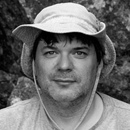
Yuri I. Wolf
Lead Scientist, Koonin Group at the Computational Biology Branch, National Center for Biotechnology Information, National Library of Medicine, National Institutes of Health (Bethesda, Maryland).

Nasim Ahmad Yasin
Dr. Nasim Ahmad Yasin is a Associate Professor at the University of the Punjab carrying out research in the field of Horticulture and Environmental Science.
Educational background:
2021-2022: Post-Doctorate: Vegetable Research Institute, Guangdong Academy of Agricultural Sciences, China.
2015: PhD: Institute of Agricultural Sciences: University of the Punjab Lahore.
1997: MSc. (Hon): University College of Agriculture, Rawalakot: The University of Azad Jammu and Kashmir –Muzaffarabad Azad Kashmir.
1995: BSc. (Hon): Barani Agriculture College, Rawalpindi. University of Agriculture, Faisalabad.

Humaira Yasmin
Dr Humaira Yasmin is tenured Associate professor (TTS) within the Department of Biosciences, COMSATS University, Islamabad, Pakistan. Her research interests include plant-microbe interactions, plant stress physiology, biofertilizers technology, soil microbiology, crop pathology, plant protection, plant biochemistry and molecular biology, medicinal plants, environmental microbiology, and agricultural nanotechnology. Dr Yasmin's research focuses on understanding the detailed biochemical mechanisms adapted by crops when exposed to biotic (fungal/ bacterial) pathogens, abiotic stresses (drought, salinity, heavy metals and heat). She is also investigating various eco-friendly and economic solutions to reduce the adverse impacts of environmental stresses on economically important crops. The techniques studied include isolation, characterization and mode of action of plant growth-promoting rhizobacteria (PGPR). Green synthesis and characterization of nanoparticles from medicinal plants and their application in agriculture to alleviate different stresses. Application of growth regulators (hormones (GA, ABA, SA, BS etc.), chelators (Oxalic acid, mellic acid etc.) and other chemical compounds to increase plant protection. Moreover, synergistic effects of the above mentioned solutions are also under consideration.

Chris M Yeager
I am a broadly-trained microbiologist with a research background in molecular biology, microbial ecology, genomics and biogeochemistry. Over the past 12 years I have served as a Staff Scientist within the Department of Energy National Laboratory system, first in the Environmental Biotechnology Section at Savannah River National Laboratory (2005-2011) and then in the Biosciences and Chemistry Divisions at Los Alamos National Laboratory (2011-current). As a staff scientist, I developed and managed a variety of research programs, focusing on microbial communities involved in processes relevant to climate change, fate and transport of radionuclides in the environment and bioenergy production. I received a BS degree from the University of Wyoming in Biochemistry, after which I worked as a laboratory technologist at the University of Utah and the VA medical center in Salt Lake City, UT with a team investigating the molecular underpinnings of diabetes. I received my doctorate in Cellular and Molecular Biology at Oregon State University in 2001 under Drs. Daniel Arp and Peter Bottomley investigating biodegradation of toxic compounds, such as trichloroethylene and toluene, by soil microorganisms. I completed postdoctoral training (2001-2004) at Los Alamos National Laboratory under Dr. Cheryl Kuske examining how the microorganisms that build and maintain biocrusts in soils of arid environments might respond to climate change.