Advisory Board and Editors Microbiology



Christian Rinke
Christian Rinke is a Research Officer at the Australian Centre for Ecogenomics (ACE), University of Queensland, Australia. He received his PhD in Zoology from the Marine Biology Department at the University of Vienna, Austria and has since shifted his focus to the microbial world.
His research interests include genomics and the phylogeny and ecology of symbiotic and free living microbes. He focuses in particular on the uncultured majority of microbes (99%) which elude current culturing efforts. This so called “Microbial Dark Matter” can only be explored with culture-independent methods. Chris pioneered methods in high throughput single-cell genomics, the separation and sequencing of single bacterial and archaeal cells, and also employs metagenomics (the direct sequencing of environmental samples) to illuminate microbial dark matter.


Jeroen Roelofs
Jeroen Roelofs received his Ph.D. (Cum Laude) from the University of Groningen, where he studied cGMP signalling and chemotaxis of Dictyostelium Discoideum. During his postdoctoral work in the Lab of Dan Finley at Harvard Medical School he studied the ubiquitin-proteasome system and discovered a role of several molecular chaperones in the assembly of the proteasome in S.Cerevisiae and human tissue culture cells. Since 2009 he runs his own lab at Kansas State University, where his lab studies proteasome assembly and regulation at the molecular and cellular level in yeast and mammalian tissue culture systems. Recent interests include quality control of assembly and the degradation of proteasomes through autophagy.

Luiz F. W. Roesch
Dr. Luiz F. W. Roesch is an Associate Professor within the Department of Microbiology and Cell Science at the University of Florida.
Dr. Roesch is microbial ecologist working with biomarkers of health and disease in human samples and of homeostasis or perturbation in environmental models. His research focuses on testing fundamental hypotheses in microbial ecology, especially in the Human Microbiome.
Dr. Roesch's primary expertise is in Next Generation Sequencing, Bioinformatics, and 16S rRNA surveys.

Diego Romero
Associate Professor of Microbiology in University of Málaga (Spain). Head of Department of Microbiology and Crop Protection in IHSM-UMA-CSIC. Past Ramon y Cajal Investigator. Postdoctoral training in Harvard Medical School.
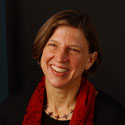
Pamela C Ronald
Professor, Dept Plant Pathology and the Genome Center, UC Davis. Director, Grass Genetics, JBEI. Fellow of the American Association for the Advancement of Science. Recipient of the USDA 2008 National Research Initiative Discovery Award. 2009 recipient of the National Association of Science Writers Science in Society Journalism Award. Selected as one of the 100 most creative people in business by Fast Company Magazine. Co-author of Tomorrow's Table: Organic Farming, Genetics, & the Future of Food

Morteza Saki
Dr. Morteza Saki is a researcher within the Department of Microbiology at the Ahvaz Jundishapur University of Medical Sciences,Ahvaz, Iran.
His research focuses on the mechanisms of antimicrobial resistance in ESKAPE Pathogens, especially Klebsiella pneumoniae.

Hugo Sarmento
Professor in the Department of Hydrobiology of the Universidade Federal of São Carlos (UFSCar). Head of the Laboratory of Microbial Processes and Biodiversity, my research area is aquatic microbial ecology, with emphasis on biotic interactions, structure and function of planktonic communities in all compartments of the food web (viruses, bacteria, phytoplankton, zooplankton) mainly in tropical aquatic environments.

Francesco Savino
Professor at the school of Pediatrics - Univ. Turin. Studying nutrition, metabolism of infancy in particular hormones such as Leptin, IGF-1, Ghrelin, Adiponectin. Takes interest in gastrointestinal and nutritional disorders. He studies in detail some aspects of gut microbiota of colicky infants such low level of lactobacilli and increased concentration of E.Coli. Performed relevant research on the effect of probiotics on colicky infants. Author of more than 120 scientific reports.

Joao C Setubal
João Setubal is full professor in the Biochemistry Department of the Institute of Chemistry at the University of São Paulo, Brazil. Setubal has a PhD in Computer Science (1992) from the University of Washington (USA). He was a faculty member at the University of Campinas (Unicamp, Brazil) (1992-2004), then Associate Professor at the Biocomplexity Institute of Virginia Tech, USA (formerly the Virginia Bioinformatics Institute) (2004-2011), where he still is an Adjunct Faculty. His research interests are in computational tools for genomics, metagenomics, and transcriptomics, and applications of such tools primarily in microbiology and microbial ecology.

Simon F Shamoun
Experienced Research Scientist with a demonstrated history of working with the Canadian Forest Service. Skilled in Forest Pathology, Forest Indigenous & Invasive Alien Pathogens, Sequence Analysis, Real-Time Polymerase Chain Reaction (qPCR), Epidemiology, and Molecular Ecology. Strong research professional with a M.Sc. & Doctor of Philosophy (Ph.D.) degrees focused in Forest Pathology, Biotechnology & Forest Pest Management from N.C. State University & University of Arkansas, USA, respectively.

Jonathan O Sharp
Jonathan (Josh) Sharp is an Associate Professor of Environmental Engineering at Colorado School of Mines. Dr. Sharp’s research focuses on the ramifications of biological processes as they relate to water quality with an approach that integrates facets of microbiology, engineering, biogeochemistry and hydrology to enhance our understanding of the natural and built environment. Professor Sharp obtained his PhD from UC Berkeley in Civil and Environmental Engineering and conducted postdoctoral studies at EPFL, Switzerland before joining Mines.