Advisory Board and Editors Environmental Sciences



Hani Nasser Abdelhamid
Education
2013-2017: PhD from Department of Materials and Environmental Chemistry, Stockholm University, Sweden. Title ʺLanthanide Metal-Organic Frameworks and Hierarchical Porous Zeolitic Imidazolate Frameworks: Synthesis, Properties, and Applicationsʺ
2011-2013: M.Sc in Nanobiomedicine, National Sun-Yat Sen University, China (ROC)
2009-2010: Pre-Master–Physical Organic Chemistry-Assuit University, Egypt, Grade: 3.4 (87.71%).
2003-2007: B.Sc Chemistry Department–Assuit University- Egypt, Grade: 3.32 (84.059%)
Research Experience & interest
The research interest of Hani Abdelhamid is focused broadly on science and technology at the nanoscale and for material science to push scientific boundaries in diverse areas of biochemistry, biology, biomedicine biotechnology, nanocatalysis and laser based analytical. The main thrusts are concentrated on the topics as below:
1) Nanotechnology: synthesis, characterization, and applications.
2) Material Chemistry, synthesis, characterization, and applications.
3) Metal-Organic Frameworks (MOFs), synthesis, characterization, and applications.
4) Inorganic and structural chemistry.
5) Analytical Chemistry.
6) Solar cells and Nanocatalysis.
7) Nano-Biomedicine and Nano-Biotechnology.
8) Biochemistry and Biochemical research methods.
9) Metallodrug-protein interactions using Nanomaterials based- laser analytical tools.
10) Biosensor based on nanomaterials for pathogenic bacteria and biomolecules.

Marc Amyot
Canada Research Chair in Global Change Ecotoxicology, professor of biological sciences, Université de Montréal. Director of NSERC CREATE network Mine of Knowledge.

Nuri Azbar
Professor andFormer Chairman of the Bioengineering Department and Former Director of the Center for Environmental Sciences at Ege University (EGE CEVMER).
Research areas include Biofuels (biohydrogen, biomethane, bioethanol), valorization of waste organic material using biorefinery concept (biopolymer production), bioseparation, application of the industrial ecology concept in industry and environmental friendly production.

Thomas Backhaus
Professor for Ecotoxicology and Environmental Sciences at the University of Gothenburg, with a main interest in regulatory (eco)toxicology and risk assessment of complex exposure situations.

Michael Beman
The overarching goal of my research program is to develop a predictive understanding of microbial ecology and biogeochemistry in the ‘Anthropocene’ sea. My research sits at the interface of microbial ecology, biogeochemistry, and global change science, and I work worldwide in reefs and estuaries, marine lakes and mountain lakes, and the open ocean. I focus on the responses of microbial communities, and the processes mediated by these communities, to environmental change—including climate change, ocean acidification, and ocean deoxygenation.
I received a B.S. from Yale University and a Ph.D. from Stanford in Geological and Environmental Sciences; before joining the UC Merced faculty in 2009, where I was a postdoc in Marine Environmental Biology at USC, a lecturer at UCLA, and an Assistant Researcher at the University of Hawai’i. I am an Associate Professor and member of the Sierra Nevada Research Institute and the Environmental Systems and Quantitative and Systems Biology graduate groups.

Angelo F Bernardino
PhD in Biological Oceanography and Associate Professor of Oceanography at Universidade Federal do Espírito Santo, Brazil. Interested in Marine Biology, Marine Ecology, Deep-Sea Biology and Conservation, Estuarine ecology, Biological Oceanography, Climate change impacts on marine ecosystems, Blue carbon.

William J Brazelton
Associate Professor, School of Biological Sciences, University of Utah.

Mya Breitbart
Professor at the University of South Florida College of Marine Science studying viral and microbial ecology

Tianfeng Chai
Tianfeng Chai is an Associate Research Scientist at CICS-MD and the Department of Atmospheric & Oceanic Science, University of Maryland, College Park, Maryland, USA. He got his master and bachelor degrees from Tsinghua University in Beijing, majoring in Fluid Mechanics, Engineering Mechanics, and Environmental Engineering. He earned his Ph.D. at the University of Iowa, with his dissertation of "Four-Dimensional Variational Data Assimilation Using Lidar Data" focusing on atmospheric boundary flow. He then worked with Dr. Greg Carmichael to develop chemical transport model adjoints and computational framework for data assimilation applications before moving to working on the NOAA National Air Quality Forecast Capability (NAQFC) project in 2007. He currently works on the inverse modeling problems using HYSPLIT (Hybrid Single Particle Lagrangian Integrated Trajectory Model) to support several projects at NOAA Air Resources Laboratory.

Karen Chan
Assistant Professor, Biology Department, Swarthmore College. Adjunct Assistant Professor, Division of Life Science, The Hong Kong University of Science and Technology.
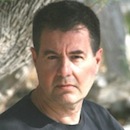
Paul Christakopoulos
Chaired Professor in Chemical and Biochemical Process Engineering, Lulea University of Technology, Associate Editor of World Journal of Microbiology and Biotechnology. Awarded an EU Marie Curie fellowship.
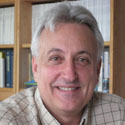
Robert Costanza
Professor of Ecological Economics, University College London, Institute for Global Prosperity, Senior Fellow, Stockholm Resilience Center, Stockholm, Sweden; Affiliate Fellow, Gund Institute for Ecological Economics, University of Vermont; deTao Master of Ecological Economics, deTao Masters Academy, Shanghai China