Academic Editors
The following people constitute the Editorial Board of Academic Editors for PeerJ. These active academics are the Editors who seek peer reviewers, evaluate their responses, and make editorial decisions on each submission to the journal. Learn more about becoming an Editor.



Vincent Courdavault
Associate Professor at the University of Tours, studying plant specialized metabolism with a particular emphasize on monoterpene indole alkaloids. I'm using transcriptomics, functional genomics tools to elucidate biosynthetic pathways. My resarch interests also include the transfert of plant pathways in heterologous organisms ubcluding the budding yeast.

Masahiro Ono
Dr Masahiro Ono was originally trained as a dermatologist, and later specialised in immunology. He obtained his PhD in 2006 by a study on regulatory T cells (Treg), and later identified the interaction of the Treg-specific transcription factor Foxp3 and the transcription factor Runx1. In 2009, he obtained a HFSP Fellowship, and joined University College London (UCL), when he established a new genomic analysis tool using a multidimensional method, Canonical Correspondence Analysis (CCA). In 2012, he was awarded a BBSRC David Phillips Fellowship, and established his lab in UCL. In 2015, he moved in the Department of Life Sciences, Imperial, and was appointed as Senior Lecturer in 2018.
Recently, the Ono group has established a novel tool for analysing temporal dynamics of cellular differentiation and activation in vivo, Timer-of-Cell-Kinetics-and-Activity (Tocky とき), and his group is using this tool to investigate mechanisms underlying T cell differentiation and T cell-mediated immune response.

Pasquale Avino
Prof. Pasquale Avino received his Master Degree in Chemistry in 1992 and his Ph.D. in Chemical Sciences at the University of Rome “La Sapienza” in 1997.
He was appointed as Post-Doc (1997-1998) at the Department of Chemistry of the University of California, Irvine (UCI) in the Rowland (Nobel Prize in chemistry in 1995) and Blake group. From 1999 until January 2018, he was appointed as Researcher at the ISPESL/INAIL Research Center, and from February 2018 to January 2021, was appointed as Three-years Term Researcher contract (RTDB).
In February 2021, Prof. Avino was appointed Associate Professor in Analytical Chemistry and Environmental Chemistry within the Department of Agricultural, Environmental and Food Sciences, at the University of Molise, Campobasso.
His current research follows studies devoted to the development of innovative analytical methodologies for development and application of analytical and sampling methods for the qualitative and quantitative determination of chemical compounds (e.g., contaminants, pollutants, nutrients) in food, agricultural, biological and anthropogenic matrices.
In 1988, he was the recipient of the “Group Achievement NASA Award”, and the “Next Generation Award” during the 22nd International Symposium on Chromatography. In 2003 he was the recipient of the “Environmental Sapio” Award for his research in the environmental field. In 2022 he received the Medal for Ecology from the Moldavian Chemical Society.

Robert J Hijmans
Robert Hijmans is a professor in the Department of Environmental Science and Policy at the University of California, Davis. Prior to joining UC Davis, he held positions at the International Potato Center (Peru), the International Rice Research Institute (Philippines) and at the UC Berkeley Museum of Vertebrate Zoology. His research focuses on spatial data analysis in biodiversity, agriculture, and health, and he has developed widely used software and databases to support such work. He has a PhD in Production Ecology from Wageningen University (Netherlands).

Jordi Salas-Salvadó
Professor of Nutrition and director of the Human Nutrition Unit (Rovira i Virgili University, Spain) and head of Nutrition of the Int. Med. Service (Sant Joan Hospital). This Unit is part of: a) Thematic Network of Mediterranean Diet and Cardiovascular Diseases, b) Health Diet in the Primary Prevention of Chronic Diseases: PREDIMED Network, and c) CIBERobn. Has directed 14 research projects funded by public bodies and 20 projects funded by the industries. He has published more than 250 papers.
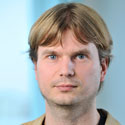
Juro Gregan
- associate professor, Dept. of Genetics, Comenius University in Bratislava, Slovakia
- group leader, MFPL, Dept. of Chromosome Biology, University of Vienna, Vienna, Austria
- postdoctoral researcher, IMP (Research Institute of Molecular Pathology), Vienna, Austria (K. Nasmyth lab)
- postdoctoral researcher, Dept. of Zoology, Univ. of Oxford, Oxford, UK (S. Kearsey lab)
- PhD study, Dept.of Microbiology and Genetics, Univ. of Vienna, Vienna, Austria (R. Schweyen lab)

Melissa M Grant
Senior Lecturer in Biological Sciences, University of Birmingham, UK
Co-lead for the Periodontal Research Group (PRG)
Melissa graduated in 1997 with a BSc in Biochemistry and immediately took up a CASE Award (Du Pont) PhD in the laboratories of Dr Dennis Briggs, studying enzymes involved in the germination of wheat grain. These enzymes would ultimately be exploited in the improvement of animal feeds and in bread baking, allowing bread to rise more and yield a ‘fluffier’ loaf.
She was introduced to the field of proteomic research at the end of her PhD and subsequently went on to set up the proteomic laboratory of Prof Helen Griffiths at Aston University. Leading on from her interests in nutrition Melissa investigated the effects of vitamins C, E and folate on human health and disease, including cancer, Alzheimer’s and heart diseases. She analysed both human plasma samples and cell culture derived samples, generating a number of papers during this post doctoral research.
In 2005 she joined the School of Dentistry's Periodontal Research Group at the University of Birmingham as lead postdoctoral fellow on projects to assess how micronutrients could be used to improve oral health. She was appointed as lecturer in 2011 in Biological Sciences and has office and laboratory space in both the schools of dentistry and biosciences.

Ryouhei Ishii
Dr. Ryouhei Ishii is Professor of Occupational Therapy Course, Osaka Prefecture University Graduate School of Comprehensive Rehabilitation. He completed his medical training at the Osaka University Hospital, he then worked under Professor Masatoshi Takeda as a graduate student on the clinical application of magnetoencephalography (MEG) in the Department of Clinical Neuroscience, Psychiatry, the Graduate School of Medicine, Osaka University. Dr. Ishii received his PhD degrees in medicine at the Osaka University in 1999.

I. Emma Huertas
Tenured Scientist at the High Spanish Council for Scientific Research (CSIC). Research interests include marine biogeochemistry with special emphasis on carbon cycle in the coastal fringe (estuaries, salt marshes and continental margins) and the open ocean. My research lines focus on air-water CO2 fluxes and the coupling between inorganic carbon dynamics and biological and physical processes. More recently, I am also investigating the exchange of non CO2 greenhouse gases (CH4 and N2O) between the atmosphere and the marine domain. Phytoplankton dynamics and their adaptation to global change is also considered.

Alejandro V Villarino
Assistant professor in the Department of Microbiology and Immunology, University of Miami, Miller School of Medicine. Specialist in cytokine biology and STAT signaling.

Daniel Adesse
Has a bachelor's degree in Biological Sciences from the Universidade Santa Úrsula (2004), a Master's degree (2007) and PhD (2010) in Cellular and Molecular Biology from Fundação Oswaldo Cruz, with two periods as visiting scientist at the Departments of Pathology and Neuroscience of the Albert Einstein College of Medicine (Yeshiva University, New York, NY) With a post-doctoral degree from the Biophysics Institute (Federal University of Rio de Janeiro), under supervision of Prof. Rafael Linden (2010-2013).
Currently is Associate Researcher at the Oswaldo Cruz Foundation, where is investigating mechanisms of changes in embryonic development during congenital toxoplasmosis, with focus on the skeletal muscle system and Central Nervous System. In a model of mouse infection with Toxoplasma gondii investigates the effect that such infection causes to cerebral microcirculation and in the Blood-Brain Barrier, as a result of neuroinflammation. Has experience in Morphology, acting on the following subjects: parasite-host cell interaction, primary cell culture, cellular junctions, 2D and 3D cell culture models, Confocal and Transmission Electron Microscopy.

Qiang Wang
Qiang Wang received a Ph.D in Environmental Science from the Chinese Academy of Science in 2009, was an Associate Professor (2010) at the Qingdao Institute Of Bioenergy & Bioprocess Technology, Chinese Academy Of Sciences, and a Professor (2011-16) at Xinjiang Ecology And Geography Institute, Chinese Academy Of Sciences, and then moved to China University of Petroleum (2016-2022). His research focuses on energy-environment-health issues through multidisciplinary research methods
Through clever use of time series statistical models (e.g., joint regression models, variable intercept models, variable coefficient models), high-precision combined forecasting models (e.g. gray forecasting and neural network models combined forecasting models), multilateral input-output models, decomposition models (e.g. index decomposition method, structural decomposition method), Dr. Wang has published more than 180 peer-reviewed papers (corresponding author) in high profile English journals.
These papers have been cited over 8,800 (Google Scholar)/ 7,100(Scopus)/ 6,200 (WoS) times by October 2022. 19 papers are selected as global ESI 0.1% Hot Papers, and 36 papers are selected as global ESI 1% Highly Cited Papers that perform in the top 1%. Dr. Wang’s h index is 53 (Google Scholar)/ 49(Scopus)/ 46 (WoS).