Advisory Board and Editors Computational Biology



William A Cresko
Professor of Biology and Associate Vice President for Research at the University of Oregon. Research focuses on the genetics and genomics of evolutionary change. Elected Fellow, AAAS.

Fabio Cumbo
Fabio Cumbo is a Postdoctoral Researcher at the Center for Computational Life Sciences of the Cleveland Clinic's Lerner Research Institute in Cleveland, OH.
He received his Ph.D. in Computer Science and Automation Engineering from the University of Roma Tre in 2019, and his BSc. and MSc. in Software Engineering from the same University in 2012 and 2014 respectively. From November 2018 to December 2021 he was a Postdoctoral Researcher at the Department of Cellular, Computational and Integrative Biology (CIBIO) of the University of Trento, Italy. Fabio
Cumbo's research mainly focuses on Bioinformatics, Metagenomics, Machine Learning, and Hyperdimensional Computing.

Daniele D'Agostino
Daniele D'Agostino, Ph.D., is associate professor at the University of Genoa (DIBRIS), Italy. His research interests are in the field of high performance computing and e-Science. In particular he cooperates with scientists of the astrophisics, physics, bioinformatics and earth science domains. In 2014 he was a co-chair of the 22nd Euromicro International Conference on Parallel, Distributed and network based Processing. He co-authored more than 100 papers on international journals, books and conference proceedings. He acted also as co-guest editor of several special issues.

Markus A Dahlem
Currently Guest Scientist at the Department of Physics at the Humboldt University, Berlin, Germany. Member of the Cardiovascular Physics Lab. Held formerly positions in the Department of Neurology at the University of Magdeburg (Germany) and in the Department of Psychology at the University of Stirling (Scotland, UK).

Melissa J Davis
Associate Professor Melissa Davis is a computational biologist and Laboratory Head in the Bioinformatics Division of the Walter and Eliza Hall Institute of Medical Research. Her background is in genetics and computational cell biology with expertise in the analysis of genome-scale molecular networks, systems biology, and knowledge-based modelling of regulatory networks.
In 2014, Melissa was awarded a four year National Breast Cancer Foundation Career Development Fellowship, and took up a position as Senior Research Fellow in Computational Systems Biology at the University of Melbourne, before moving to the Walter and Eliza Hall Institute for Medical Research as a Laboratory Head in 2016. Melissa specialises in the integration of genomic, transcriptomic, and proteomic data with knowledge-based network models to understand the regulatory logic of mammalian systems.
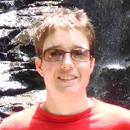
Charlotte M. Deane
Professor of Structural Biology and Director of the Systems Approaches to Biomedical Sciences Industrial Doctoral Centre at Oxford University.
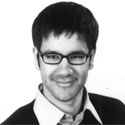
Christophe Dessimoz
SNSF Professor at the University of Lausanne, Reader at University College London, and Group Leader of the Swiss Institute of Bioinformatics

Douglas S Domingues
I am an Assistant Professor in Plant Molecular Genetics at the "Luiz de Queiroz" College of Agriculture, University of São Paulo, Brazil. My main interests are devoted to understanding gene and genome evolution in plants, working on genome-wide analyses, including transcriptional analyses of gene families relevant to plant metabolism, RNA-seq analyses in plants, as well as studies on non-coding RNAs and transposable elements.
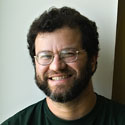
Jonathan A Eisen
Full Professor, University of California, Davis (Depts. of Medical Microbiology and Immunology and Evolution and Ecology) and Adjunct Scientist DOE Joint Genome Institute.
Obsessed with microbes, the Redsox, open science, and STEM diversity.

Ahmed Elazab
Ahmed Elazab received his Ph.D. degree in pattern recognition and intelligent systems from Shenzhen Institutes of Advanced Technology, University of Chinese Academy of Sciences, China, Jan 2017. He was a postdoctoral research fellow from Jan 2018 to April 2020 at the School of Biomedical Engineering, Shenzhen University, Shenzhen, China where he is currently a research associate since Jan 2021. Dr. Elazab has authored and co-authored more than 80 peer-reviewed papers and has been a reviewer in prestigious peer-reviewed international journals. His main research interests include machine and deep learning, medical image analysis, brain anatomy analysis, and computer-aided detection and diagnosis.

Richard D Emes
Professor of Bioinformatics at Nottingham School of Veterinary Medicine and Science and Director of the University of Nottingham Advanced Data Analysis Centre.
Research interests are in bioinformatics, comparative genomics and molecular evolution particularly in the fields of pathogen biology, epigenetics and neurobiology.

Scott Emrich
I received a BS in Biology and Computer Science from Loyola College in Maryland and a PhD in Bioinformatics and Computational Biology from Iowa State University (ISU). Upon graduation, I received a ISU Research Excellence award and the university-wide Zaffrano Prize for Graduate Research. Starting after graduation in 2007 I spent the first ten years of my career at the University of Notre Dame, and now am an Associate Professor at the University of Tennessee (Knoxville). My research interests include genome-focused bioinformatics, parallel and distributed computing, and the intersection of biological applications and second and third-gen sequencing. Nearly all of my research has been funded by the National Institute of Health (NIH).