Advisory Board and Editors Bioinformatics



Nicholas J Dickens
Associate Research Professor in Bioinformatics at Florida Atlantic University. Research focus genomics of marine organisms, environmental microbiomes and machine learning to understand genome sequence. Wellcome Trust Centre for Molecular Parasitology, University of Glasgow Bioinformatics team for 7 years and lead the team for 4 of those. Also lead an experimental sequencing team in the Centre and has a bioinformatics research group. Originally, studied Biology at Imperial College London and moved into bioinformatics at NV Organon Pharmaceuticals in the Netherlands. Following this he had a research post at the MRC Functional Genetics Unit, University of Oxford where he stayed to do his genome informatics PhD. Has held research post-doctoral posts in London working in type-2 diabetes and cardiovascular disease at Imperial College, and cancer biology at the Institute of Cancer Research.

Trang Do
Dr. Trang Do earned her PhD degree from the National University of Singapore in 2013. She is a proactive and motivated educator and data scientist, showcasing a track record of effectively managing expansive and intricate projects alongside engagements with stakeholders and government agencies. Her expertise spans data and computer science, coupled with a foundation in economics and bioinformatics, driving an ongoing pursuit of professional development. Her research interests encompass a wide scope within data science, intelligent systems, and interdisciplinary computing. Presently, her primary focus centers on machine learning, deep learning, explainable AI, data analysis, and visualization, particularly within the realms of health informatics, drug discovery, bioinformatics, tourism, and intelligent systems.

Douglas S Domingues
I am an Assistant Professor in Plant Molecular Genetics at the "Luiz de Queiroz" College of Agriculture, University of São Paulo, Brazil. My main interests are devoted to understanding gene and genome evolution in plants, working on genome-wide analyses, including transcriptional analyses of gene families relevant to plant metabolism, RNA-seq analyses in plants, as well as studies on non-coding RNAs and transposable elements.

Timothy P Driscoll
Associate Professor at West Virginia University Department of Biology. PhD in Genomics, Bioinformatics, and Computational Biology from Virginia Tech. Our research centers on the distribution, evolution, and design of interventions for zoonotic and vector-borne infectious diseases. I focus on Rickettsiales and other intracellular pathogens, using phylogenomics and related approaches to understand virulence and pathogenicity.

Robert Druzinsky
I am an evolutionary biologist and functional morphologist with diverse interests. My major focus is on the evolution of the masticatory apparatus of mammals, particularly rodents. I am also working on an anatomy ontology for muscles of the head and neck in tetrapods. I also study the biomechanics of teeth, as well as the neurophysiology of mastication.

Tushar K. Dutta
I am a Senior Scientist at the Indian Agricultural Research Institute, involved in pursuing basic and applied research in the field of Nematology and Entomology.
As an alternative to Bt Cry toxins for insect pest management, a number of novel bacterial protein toxins (Txp40, TcaB) derived from an insect-parasitic bacterium Photorhabdus akhurstii (symbiont of nematode Heterorhabditis indica) were characterized. The mode of action and pathogenesis process of these toxins were investigated in different lepidopteran insects including Galleria mellonella, Helicoverpa armigera, Spodoptera litura and S. exigua. The potential receptor proteins and their binding sites for these toxins were unravelled from the insect midgut epithelial cells.
My other research interests include molecular basis of plant-nematode interaction. Using RNAi, functional analysis of several plant parasitism processes was deciphered including the role of Mi-cpl-1 in metabolic process, FLP and NLP neuropeptides in neuromusculation process, ODR and TAX proteins in chemotaxis process, cell wall degrading enzymes and various MSP effectors in infection process of plant nematodes. I have contributed in understanding the genetic basis of nematode resistance in rice via genome-wide association mapping coupled with omics-driven strategies. I am currently pursuing genome editing research for developing nematode resistance by adopting CRISPR-Cas9 strategy in Arabidopsis, rice and tomato.
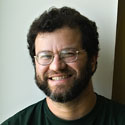
Jonathan A Eisen
Full Professor, University of California, Davis (Depts. of Medical Microbiology and Immunology and Evolution and Ecology) and Adjunct Scientist DOE Joint Genome Institute.
Obsessed with microbes, the Redsox, open science, and STEM diversity.

Ahmed Elazab
Ahmed Elazab received his Ph.D. degree in pattern recognition and intelligent systems from Shenzhen Institutes of Advanced Technology, University of Chinese Academy of Sciences, China, Jan 2017. He was a postdoctoral research fellow from Jan 2018 to April 2020 at the School of Biomedical Engineering, Shenzhen University, Shenzhen, China where he is currently a research associate since Jan 2021. Dr. Elazab has authored and co-authored more than 80 peer-reviewed papers and has been a reviewer in prestigious peer-reviewed international journals. His main research interests include machine and deep learning, medical image analysis, brain anatomy analysis, and computer-aided detection and diagnosis.

Joanna L Elson
My work considers mtDNA disease through the prism of evolution, applying a number of techniques to develop methods to identify pathogenic mtDNA mutations. I also work on the role of mtDNA population variation in common disease, inclusive of projects centred round a single disease and method development. Others papers centre on fundamentals of mitochondrial genetics including inheritance and the selective forces that have shaped mtDNA variation in modern human populations.

Richard D Emes
Professor of Bioinformatics at Nottingham School of Veterinary Medicine and Science and Director of the University of Nottingham Advanced Data Analysis Centre.
Research interests are in bioinformatics, comparative genomics and molecular evolution particularly in the fields of pathogen biology, epigenetics and neurobiology.

Scott Emrich
I received a BS in Biology and Computer Science from Loyola College in Maryland and a PhD in Bioinformatics and Computational Biology from Iowa State University (ISU). Upon graduation, I received a ISU Research Excellence award and the university-wide Zaffrano Prize for Graduate Research. Starting after graduation in 2007 I spent the first ten years of my career at the University of Notre Dame, and now am an Associate Professor at the University of Tennessee (Knoxville). My research interests include genome-focused bioinformatics, parallel and distributed computing, and the intersection of biological applications and second and third-gen sequencing. Nearly all of my research has been funded by the National Institute of Health (NIH).

A. Murat Eren
I am a computer scientist and a microbial ecologist. I develop algorithms and software platforms to make sense of the ecology of microbes through marker genes, metagenomes, and metatranscriptomes.