Advisory Board and Editors Infectious Diseases



Delia Goletti
Delia Goletti MD, PhD, Infectious Diseases specialist. In 1992 she joined the Laboratory of Immunoregulation at the National Institutes of Health (chief Dr Fauci) working on HIV pathogenesis. In 1999 she joined the National Institute for Infectious Diseases in Rome. She has clinical duties on the tuberculosis (TB) clinic and responsibility of the Translational Research Unit where she works on TB pathogenesis, TB immunodiagnostic tests and impact of Heminths infection on HIV and TB disease.

Fanglin Guan
Prof. Fanglin Guan is Dean at Xi'an Jiaotong University. He is engaged in the integrated biological research of complex diseases, including tumor microenvironment and novel immunotherapeutic modalities, and research on the mechanisms and medical applications related to tumor cell vaccines, especially for the exploration of the mechanism of determining the biomarkers of complex diseases.

Yuming Guo
Dr Yuming Guo is professor of Global Environmental Health and Biostatistics & Head of the Monash Climate, Air Quality Research (CARE) Unit. He is supported by an NHMRC Career Development Fellowship (Level 1 & 2). Prof Guo was awarded Master of Medicine (2009), and PhD (2012) from Peking University and Queensland University of Technology, respectively. Before moving to to Monash University in March 2017, Dr Guo held appointments at the University of Queensland, Queensland University of Technology, and Peking University.
His research group focuses on environmental epidemiology, biostatistics, global environmental change, air pollution, climate change, urban design, residential environment, remote sensing modelling, and infectious disease modelling.
Prof Guo is appointed an adjunct professor by The University of Melbourne, The University of Queensland, The University of Oulu (Finland), Jinan University (Guangzhou), and Chongqing Medical University. He was awarded a visiting fellow of London School of Hygiene and Tropical Medicine supported by the Leverhulme Trust.
Prof Guo has published extensively (over 260 high quality papers) in prestigious international journals including the highest-ranked journals (NEJM, Lancet, BMJ, Nature, Nature Medicine, PLoS Medicine, Nature Communications, Thorax, The Lancet Planetary Health, Environmental Health Perspectives, Environment International, etc). His works are highly cited, with >20,000 citations and H-index of 54.

James Harris
Group Leader in Arthritis and Lupus Research Group, Department of Medicine, Monash University. Interests in cytokine biology, inflammasomes, MIF, autophagy, inflammation, innate immunity, veterinary and comparative immunology.
Deputy Editor, Immunology and Cell Biology.
Review Editor, Frontiers in Immunology.
Editorial Board member, Arthritis Research & Therapy.

Grant A Hill-Cawthorne
Senior Lecturer in Communicable Disease Epidemiology, School of Public Health, University of Sydney; Public Health Lead and Node Leader for Mass Gathering Medicine, Marie Bashir Institute, University of Sydney; Honorary Life Fellow, St Andrew's College within the University of Sydney; Senior Member and College Research Associate, Wolfson College, University of Cambridge
Biographical details:
I studied medicine in Cambridge and during my junior doctor years was very interested in both neurology and infectious diseases. Clinically I specialised in medical microbiology, keeping a particular interest in neurological infections. For the past 3 years I have been in Saudi Arabia developing a pathogen genomics laboratory where I have gained first-hand experience of second generation sequencing and bioinformatics.
Research interests:
Infectious diseases and medical microbiology are undergoing the most significant shift since PCR was introduced. By the end of this decade, sequencing will have become the main option when investigating any outbreak or infection. I study the interface between genomics as a pure science and its translation into clinical and public health benefits.
At present I am examining the worldwide genomics of tuberculosis, the use of sequencing to characterise MRSA strains and the genomic variations in BCG vaccine strains used around the globe.

Branka Horvat
MD PhD,
Head of the team Immunobiology of Viral Infection;
Research in the field of interaction between the virus and the immune system

Altijana Hromić-Jahjefendić
Dr. Altijana Hromić-Jahjefendić is an associate professor at the Genetics and Bioengineering Department at International University of Sarajevo, Bosnia and Herzegovina. She obtained her bachelor's degree in chemistry and master's degree in Biochemistry and Molecular Biomedicine at Graz University of Technology, Austria. After that she worked for Austrian Center of Industrial Biotechnology and continued to pursue her PhD degree in Biochemistry and Molecular Biomedicine with the focus on Structural biology. Since 2018. she works as professor at International University of Sarajevo at the Genetics and Bioengineering Department. She authored many scientific publications with international colleagues in the field of COVID-19 and cancer research.

Lei Huang
Dr. Lei Huang is a cancer epidemiologist, translational oncologist, digestive surgeon, surgical oncologist, and gastroenterologist. He has published about 50 papers in SCI(E)-indexed journals including Gut, Annals of Surgery, BMC Medicine, JAMA Surgery, Clinical Cancer Research, Cancer Immunology Research, International Journal of Cancer, EBioMedicine, and Gastric Cancer. His works have been cited for about 1000 times.
Dr. Huang has served on the editorial board of Frontiers in Oncology, World Journal of Gastrointestinal Oncology, PeerJ, Medicine, and Translational Cancer Research, and Frontiers in Surgery. He has been peer reviewer for about 50 SCI(E)-indexed journals including Annals of Internal Medicine, Annals of Surgery, Clinical Cancer Research, Journal of the National Comprehensive Cancer Network-JNCCN, Cancer Letters, Oncoimmunology, and Oncologist. He was selected as Best Reviewer for Annals of Internal Medicine twice in 2017 and 2019.
Dr. Huang has been invited to give oral presentations in the ASCO Annual Meeting and International Gastric Cancer Congress (IGCC), and has received Merit Awards in the ESMO Annual Meeting and Awards for Young Investigators in the IGCC.
His research interests majorly cover the epidemiological, clinical, and translational aspects of digestive cancers. He has successfully coordinated several large international investigations with participants from the US and about 20 European countries.

Christine Josenhans
Christine Josenhans is Professor for Microbiology and Medical Microbiology at Max von Pettenkofer Institute of Ludwig Maximilians University Munich and an infectious disease specialist. Until 2017, she was Associate Professor at Hannover Medical School, Germany, also in the field of infection research and molecular and cellular microbiology. Her research foci are on infectious disease agents in general, with specialization in microbiology, biochemistry, immunology, and host-pathogen interactions. She performed her Post-doctoral studies on Yersinia host-pathogen interactions, more specifically on their type III secretion system pore proteins. Current research foci are in persistent bacterial and viral infections, host-pathogen crosstalk and immune interference, as well as in the causal link between infections and cancer.
She is on the board of several undergraduate and graduate teaching programs.
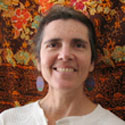
Nancy P. Keller
Professor of Medical Microbiology and Immunology/Bacteriology at the University of Wisconsin, Editor of Fungal Biology and Genetics, American Phytopathological Society Fellow and American Academy of Microbiology Fellow

Hossein Khiabanian
Hossein is an Associate Professor of Pathology in the Division of Medical Informatics at Rutgers Cancer Institute of New Jersey. His group develops novel analytical methods to understand the underlying genetics of human diseases and the molecular epidemiology of disease-causing organisms using high-throughput genomic data. The group is especially interested in studying tumor clonal evolution, and identifying prognostic markers in cancer, particularly in hematological malignancies. Hossein received his Ph.D. in Physics from Brown University, where he studied galaxy clusters and dark matter structures, using weak gravitational lensing. Prior to joining Rutgers, he was a member of the faculty in the Department Biomedical Informatics at Columbia University.

Judith Klumperman
Professor of Cell Biology, Chair of the Cell Biology Department University Medical Center (UMC) Utrecht, Head of the Cell Microscopy Center (CMC) of the UMC Utrecht.
Editorial boards of: Traffic, Histochemistry and Cell Biology, Biology of the Cell, Molecul