Advisory Board and Editors Molecular Biology



Christine Josenhans
Christine Josenhans is Professor for Microbiology and Medical Microbiology at Max von Pettenkofer Institute of Ludwig Maximilians University Munich and an infectious disease specialist. Until 2017, she was Associate Professor at Hannover Medical School, Germany, also in the field of infection research and molecular and cellular microbiology. Her research foci are on infectious disease agents in general, with specialization in microbiology, biochemistry, immunology, and host-pathogen interactions. She performed her Post-doctoral studies on Yersinia host-pathogen interactions, more specifically on their type III secretion system pore proteins. Current research foci are in persistent bacterial and viral infections, host-pathogen crosstalk and immune interference, as well as in the causal link between infections and cancer.
She is on the board of several undergraduate and graduate teaching programs.

Marina George Kalyuzhnaya
Education:
2000 – PhD. (Microbiology). Center for Microbiology and Biotechnology//Institute of Biochemistry and Physiology of Microorganisms, Russian Academy of Sciences, Russia
1994 – BS/ MS (Biology, Microbiology). Dnepropetrovsk State University, Department of Microbiology, Ukraine
1994 – Pre-doctoral training in “Molecular Biology, Gene Engineering and Biotechnology” M. V. Lomonosov Moscow State University, Russia.
Positions Held:
2018 - Associate Professor, Biology Department, VII, San Diego State University
2015 - 2018 Assistant Professor, Biology Department, VII, San Diego State University
2015 - Affiliate Assistant Professor, Department of Microbiology, University of Washington
2013 - 2015 Visiting Scholar, SIO, University of California San Diego
2012 - 2015 Research Associate Professor, Department of Microbiology, University of Washington
2006 - 2012 Research Assistant Professor, Department of Microbiology, University of Washington
2001 - 2006 Research Associate, Department of Chemical Engineering, University of Washington
1997 - 2002 Junior Research Scientist, G.K. Skryabin Institute of Biochemistry & Physiology of Microorganisms, Russian Academy of 1995 - 1997 Sciences Engineer-investigator, G.K. Skryabin Institute of Biochemistry & Physiology of Microorganisms, Russian Academy of Sciences

Hironori Kaminaka
Associate Professor of Faculty of Agriculture, Tottori University, Japan; Past Postdoctoral Fellow of University of North Carolina at Chapel Hill, USA; Past postdoctoral Fellow of National Institute of Agrobiological Sciences, Japan; Ph. D. obtained in Kyoto Prefectural University, Japan.

Julia Kehr
Professor Hamburg University, Germany
Professor Politechnic University Madrid, Spain
Group Leader Max Planck Institute Potsdam, Germany

Mather A Khan
Dr. Mather A Khan is a Senior Scientist at the Institute of Botanik, Heinrich Heine University, Düsseldorf, Germany. Before moving to Germany, Dr. Khan worked as a Postdoctoral fellow and then as a Research Scientist at the University of Missouri-Columbia, USA.
Dr. Khan’s research interest is mainly focused on understanding the mechanisms mediating the uptake and accumulation of essential (Iron, Fe; Zinc, Zn) and toxic metals (Cadmium, Cd) in plants. He is using state-of-the-art techniques including cell-specific transcriptomics, functional genomics, and ionomics to understand how plants take up, distribute and accumulate micronutrients and toxic elements within plant tissues, including seeds. During his stay at the University of Missouri, Dr. Khan discovered that leaves seem to sense the Fe status of the whole plant before roots that in contrast to the traditional view of nutrient sensing by plant roots. His research suggests that leaves integrate signals from different tissues and relay the information on the Fe status to roots to trigger, or not, an Fe deficiency response (i.e. increased Fe uptake).
He joined the Institute of Botanik, Heinrich Heine University in January 2021, where his research continues to explore the seed loading mechanism of Fe and Zn and develop strategies to optimize crops for higher protein and nutritional value which are essential for future agriculture production to ensure food security and reduce malnutrition and poverty.

Imran Khan
Dr. Imran Khan is a postdoctoral fellow at the Department of Radiation Oncology, Mayo Clinic.
His work focuses on translational research, particularly for human tumors (glioma, brain metastasis, colon cancer and PDAC) investigating the mechanisms of tumor aggressiveness, establishing new effective treatments, and finding new diagnostic and prognostic biomarkers in in-vitro, in-vivo, and ex-vivo model systems.

Imran Khan
I received my MSc. Degree from Jawaharlal Nehru University, India in 2007 on understanding the role of TBP associated factor 9 (TAF9) in eukaryotic transcription. I completed my Ph.D. training in the laboratory of Prof. Paturu Kondaiah, in 2012, at Indian Institute of Science, Bangalore, India, on exploring the mechanism of precancerous oral lesion (OSF and Oral cancer) using gene expression profiling. I also worked on exploring the molecular mechanism of photo dynamic therapy agents in cancer cells. I did my first post doctorate in Dr. Praveen Arany’s lab at NIDCR, NIH on exploring the role of laser mediated phototoxicity involving ER stress and laser mediated wound healing. I am currently doing my second postdoctoral training in the laboratory of Patricia Steeg at NCI in NIH, on exploring the molecular mechanism of metastasis suppressor gene, NM23 in breast cancer metastasis and its possible therapeutic applications.

Haseeb A. Khan
Distinguished Professor of Biochemistry at College of Science, King Saud University, Riyadh, Saudi Arabia. Group Leader of Analytical and Molecular Bioscience Research Group and a Chair Professor at Research Chair for Biomedical Applications of Nanomaterials, King Saud University. PhD from Aligarh Muslim University, Aligarh, India and received scientific trainings in USA, UK, Denmark and Finland. Fellow of the Royal College of Pathologists (FRCPath) and the Royal Society of Chemistry (FRSC), UK. Authored more than 300 publications including 2 books and 20 book chapters. Recipient of Microsoft eScience Award. Listed in Top-2% World Ranking of Scientists. Research interests are clinical biochemistry, analytical chemistry, environmental chemistry, nanobiotechnology, molecular conservation, bioinformatics, pharmacology, and toxicology.
Alla S Kostyukova
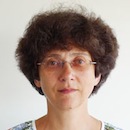
Associate Professor at Voiland School of Chemical Engineering & Bioengineering. Former director of the Circular Dichroism facility at Robert Wood Johnson Medical School, Piscataway, NJ.

Theerapong Krajaejun
Professor of Clinical Pathology, Department of Pathology, Faculty of Medicine, Ramathibodi Hospital, Mahidol University, Bangkok, Thailand.

Prasanna Krishnamurthy
Dr. Prasanna earned his BVSc (DVM) degree with honors from Bangalore Veterinary College and completed his Masters and PhD in Veterinary Pathology from Indian Veterinary Research Institute (India's premier institute for Veterinary Research). He completed his postdoctoral training at Northwestern University (in Dr. Raj Kishore's laboratory) and East Tennessee State University. Before joining University of Alabama at Birmingham (UAB), he held faculty appointments at the Feinberg Cardiovascular Research Institute, Northwestern University School of Medicine, Chicago, Illinois and Houston Methodist Research Institute, Texas.
As a member of the Department of Biomedical Engineering, he directs a research program focusing on understanding mechanisms of cardiovascular diseases and developing novel therapeutic strategies to promote cardiac regeneration and repair. Dr. Krishnamurthy’s laboratory is supported through funds from National Institutes of Health (NIH-R01) and American Heart Association (GIA and Postdoctoral fellowships).

Mohammed Kuddus
Dr. Mohammed Kuddus is working as a Professor and Chairman of Biochemistry Department at University of Hail, Saudi Arabia. His main research area includes Molecular biology, Industrial enzymes, Extremophiles and Extremozymes, Microbial biotechnology, Food biotechnology, Waste utilization, Value added products, Bioremediation, Biopolymers and Bioplastics. He has published more than 75 research articles in reputed international journals along with 8 books and 22 book chapters; and presented more than 40 abstracts in national/international conferences/symposia. He has been serving as an Editor / Editorial Board Member and Reviewer of various international reputed journals. He has been awarded Young Scientist Projects from the Department of Science and Technology, India and International Foundation for Science, Sweden.