Advisory Board and Editors Genetics



Ruben J. Cauchi
Ruben J. Cauchi is an Associate Professor of Neurogenetics at the University of Malta School of Medicine. He obtained his D.Phil. from the University of Oxford (UK) and did his postdoctoral research at the MRC Laboratory of Molecular Biology, University of Cambridge (UK). Prof. Cauchi heads the ALS/MND Lab at the University of Malta and leads Malta’s National ALS/MND Registry & BioBank, aiming at understanding the cause of motor neuron disease (MND) including amyotrophic lateral sclerosis (ALS) and identify innovative treatments.

Jun Chen
Assistant Professor of Biostatistics, Mayo Clinic. Ph.D., University of Pennsylvania. My research concerns the development and application of powerful and robust statistical methods for high-dimensional "omics" data, arising from modern high-throughput technologies such as microarray and next-generation sequencing. I am particularly interested in methods for microbiome sequencing data. Much of this effort is motivated by ongoing collaborations in projects that study the role of the human microbiome in disease pathogenesis using metagenomic sequencing.
Research interests include statistical genetics, genomics and metagenomics; and high-dimensional statistics.

Li Chen
I am a tenure-track Assistant Professor of Biostatistics and a member in Center for Computational Biology and Bioinformatics at Indiana University School of Medicine. I received a MS in Biostatistics and another MS in Computer Science from the Johns Hopkins University, and PhD in Computer Science and Informatics from Emory University. I also interned in CareerBuilder Data Science and Amazon Machine Learning.

Hao Chen
Dr. Chen's group uses behavioral genetics methods to study addiction related traits. The main behavioral models are intravenous nicotine self-administration and oral oxycodone self-administration in rats. Another area of focus is the identification of genomic variants in inbred strains of rats. A third area of research is the design of open source instruments and software for measuring rat behavior.

Albert Cheng
Albert Cheng obtained his BSc in Biochemistry and MPhil in Biology from Hong Kong University of Science and Technology in 2005 and 2007, respectively. He studied neurotrophin signaling and C. elegans developmental genetics. He then pursued his PhD in Computational & Systems Biology at MIT in the labs of Profs Christopher Burge and Rudolf Jaenisch and worked on various topics on epigenetics, gene regulation and alternative splicing in stem cells, reprogramming, cancer metastasis, erythropoiesis and differentiation. Cheng and colleagues identified H3K27ac as a signature for active enhancers. He analyzed alternative splicing in epithetlial-mesenchymal transition, cancer metastasis as well as erythropoiesis and identified splicing factors regulating these processes. He constructed CRISPR-on, an artificial RNA-guided activator based on CRISPR/Cas. After graduating in 2014, he joined the Jackson Laboratory at Bar Harbor, ME, as one of the first JAX scholars where he continued to work on understanding and improving the CRISPR/Cas technology. In July 2015, he started his own lab as an assistant professor at the Jackson Laboratory for Genomic Medicine campus at Farmington, CT.
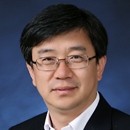
Doil Choi
Professor of the Department of Plant Science and Director of Plant Genomics and Breeding Institute of Seoul National University, Korea

C Robert Cloninger
Director, Anthropedia Institute for Well-being Research; Professor Emeritus of Psychiatry at Washington University in St. Louis.

Timothy M Collins
Full Professor and former Chair of the Department of Biological Sciences at Florida International University. Director of FIU DNA Core facility. Past Program Director for NSF Division of Environmental Biology, Systematics and Biodiversity Cluster.
Research interests include: Molecular Systematics, Evolution, Biogeography, and Phylogeography: Rates, patterns, and mechanisms of molecular evolution , including nucleotide sequence evolution and mitochondrial gene order change, and consequences for phylogenetic reconstruction and reconstruction of ancestral states. Integration of molecular data with paleontological and morphological data. Using phylogenies to address biological questions.

Christopher Cooper
Senior Lecturer in Biological Sciences at the University of Huddersfield, since 2015. Previously Junior Research Fellow, College Lecturer In Biochemistry and various postdocs at the University of Oxford (2013-15). Working on DNA replication, genome integrity and transcription factors in human cancers (and also in prokaryotes). Additional interests in phylogenomics and novel protein expression systems.

Dimitri de Araujo Costa
Dr. Dimitri Costa is a Biologist, PhD Researcher (Permanent Professor) of Núcleo de Ecologia Aquática e Pesca da Amazônia (NEAP).
He is also affiliated with the following:.
Post-Graduate Programme in Aquatic Ecology and Fisheries (PPGEAP), Federal University of Pará (UFPA), Belém, Pará, Brazil.
GIBI - Group for Integrated Biological Investigation, Centre for Advanced Biodiversity Studies (CEABio).
Researcher at the CIIMAR - Interdisciplinary Centre of Marine and Environmental Research, University of Porto, Portugal
More information about Dr Costa's professional background can be found here:
http://lattes.cnpq.br/7509693462303861
https://orcid.org/0000-0002-5399-2483

Federica Costantini
Dr. Federica Costantini is a marine ecologist and associate professor at the University of Bologna, Italy.
Her primary research includes biodiversity conservation and resource management using integrative tools based on morphology and genetics.
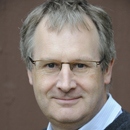
George M. Coupland
Director of the Max Planck Institute for Plant Breeding Research, Cologne, Germany. Recipient of several honours, the most recent being election to the National Academy, USA in 2012.