Academic Editors
The following people constitute the Editorial Board of Academic Editors for PeerJ. These active academics are the Editors who seek peer reviewers, evaluate their responses, and make editorial decisions on each submission to the journal. Learn more about becoming an Editor.



Bryn TM Dentinger
Head of Mycology at the Royal Botanic Gardens, Kew.

Antonella Prisco
Senior Researcher at the Institute of Genetics and Biophysics of the National Research Council.
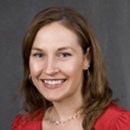
Tara C. Smith
Professor of Epidemiology at Kent State University

Edward Mocarski
Professor Emeritus, Stanford University (2006) and Emory University (2021). Formerly, Robert W. Woodruff Professor of Microbiology and Immunology in the Emory Vaccine Center at Emory University (2006-2021) and Professor and Chair of Microbiology & Immunology at Stanford University (1983 - 2006). Previously (2009 and 2010), Distinguished Fellow at MedImmune, LLC, a wholly owned subsidiary of AstraZeneca.

Kerry Woods
Faculty at Bennington College since 1986, ecology and evolution. Research: forest ecology, long-term studies, paleoecology, remote sensing. Ph.D. Cornell Univ (RH Whittaker, PL Marks); post-doctoral, U. Minnesota (MB Davis), UC-Santa Barbara (DB Botkin). Bullard Fellow, Harvard 1998, Center Fellow, NCEAS 2008-9; Prog. Chair ESA 2007; Assoc. Ed. ESA journals, 2001-2011; Assoc. Ed., IAVS journals 2001-pres; Pres. N. Am. Ch. IAVS 2009-2010; Past Chair Professional Ethics Comm. ESA, IAVS.

Enza Lonardo
I obtained my Bachelor in 2003 in Plant Biotechnology at University of Naples Federico II under the supervision of Dr. Roberto Defez at IGB.
In 2008, I obtained my PhD at University of Naples Federico II under the supervision of Dr. Gabriella Minchiotti at IGB working on Cripto signaling in embryonic stem cells.
In 2009 I moved to Madrid where I started my first postdoc in Christopher Heeschen lab at CNIO where I was working on TGF-beta in pancreatic cancer.
In 2012 I moved to Barcelona at IRB as Senior Postdoc in Eduard Batlle lab working on TGF-beta signaling in colorectal cancer.
Since February 2017 I joined the IGB as Group Leader to study the tumor-stroma crosstalk mediated by TGF-beta in gastrointestinal cancer (pancreatic and colorectal).
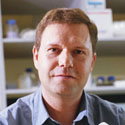
Pascal Dollé
Associate Professor in Biochemistry and Molecular Biology, Group leader (Developmental Biology and Stem Cells Department), IGBMC, France. Member of the Institut Universitaire de France.

Sabir Hussain
Dr. Sabir Hussain is serving as a Professor at the Government College University Faisalabad. He is an environmental scientist with a PhD (Specialization in Environmental Microbiology) from University of Burgundy, Dijon, France.
His research is primarily focused on devising the strategies for biological wastewater treatment. He has conducted several studies on the isolation and characterization of novel microbial strains involved in biodegradation and biotransformation of different organic compounds including pesticides and synthetic dyes existing in soil and water resources.

Dapeng Wang
Dr Dapeng Wang is a Senior Bioinformatician in Integrative Analysis at the COMBAT consortium at the University of Oxford using multi-omics techniques in combination with the cutting-edge bioinformatic approaches and statistical methods to explore the pathogenesis of COVID-19 and stratification of patients as well as inform the treatment strategy based on genomics information.
Dr Wang received a bachelor’s degree in mathematics from the Shandong University in 2006 and obtained a PhD degree in bioinformatics from the Beijing Institute of Genomics of the Chinese Academy of Sciences in 2011. After his graduation, he continued to conduct research at the same institute from 2011 to 2014 and afterwards moved to the UK to take up various roles at the Cancer Institute at the University College London (2014-2016), the Department of Plant Sciences at the University of Oxford (2016-2018) and the LeedsOmics at the University of Leeds (2018-2020).

Jui-Yang Lai
Dr. Jui-Yang Lai received his Ph.D. from the Department of Chemical Engineering, National Tsing Hua University, Taiwan. Since 2014, he is a Full Professor at Chang Gung University, Taiwan. Dr. Lai’s primary research activities are centered on the design and development of functional biomaterials, either from natural or synthetic sources, for ophthalmic use, particularly on tissue engineering, drug delivery, and nanomedicine. His major research projects involve ocular biocompatibility assessment, corneal/retinal cell construct fabrication, topical/intraocular pharmaceutical dosage formulation, and metallic/carbon-based nanotherapeutics evaluation. Dr. Lai has published more than 100 scientific papers in peer-reviewed journals and filed numerous patent applications. He actively participates in the peer review process for scientific publications and also serves as a member of the editorial board of several scholarly journals.

Torbjørn Rognes
Torbjørn Rognes is the Head of the Biomedical Informatics Research Group at the Department of Informatics at the University of Oslo, and a research scientist at the Department of Microbiology at Oslo University Hospital, Norway. He obtained a MSc in computer science in 1994, a PhD in bioinformatics in 2001 and a professorship in 2010. His main interest is in development of algorithms and tools for sequence analysis, and has recently worked mostly with metagenomics and metabarcoding. He is a co-author of the VSEARCH, Swarm and SWIPE tools.

Brendan P Malone
My research focus is in using quantitative methods to precisely understand how soils function and change- spatially, and through time.
I research methods for comprehensive digital soil mapping aiming to characterize soil both in the lateral and vertical dimensions.
I research methods for quantifying (and validating) measures of uncertainty for these comprehensive soil information systems.
I investigate innovative systems for soil measurement, which includes that associated with remote and proximal and soil sensing instrumentation. I have particular interest in infrared and x-ray spectroscopy.