Academic Editors
The following people constitute the Editorial Board of Academic Editors for PeerJ. These active academics are the Editors who seek peer reviewers, evaluate their responses, and make editorial decisions on each submission to the journal. Learn more about becoming an Editor.



Joshua C Carr
Dr. Joshua Carr is an Assistant Professor in the Kinesiology Department at Texas Christian University and the Department of Medical Education at the Burnett School of Medicine. He is the Director of the Neuromuscular Physiology Laboratory on TCU’s main campus and was recently awarded the BIGXII Faculty Fellowship Award. His primary research focus relates to exercise training with a specific interest in the adaptations that occur with single-limb exercise and interventions that restore and enhance neuromuscular function. He uses surface electromyography, mechanomyography, and neuromuscular stimulation techniques to assess the human neuromuscular system with fatigue, training, injury, and disease.

Nicola Traverso
Dr. Nicola Traverso is an Associate Professor within the Department of Experimental Medicine at the University of Genova.
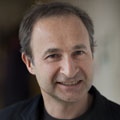
Jim van Os
Professor of Psychiatry and Chairman of the Department of Psychiatry and Psychology at Maastricht University Medical Centre, The Netherlands, and Visiting Professor of Psychiatric Epidemiology at the Institute of Psychiatry, London, UK. Academic Editor at PLoS ONE. Member of the Royal Netherlands Academy of Arts and Sciences (2011).
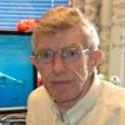
Malcolm Jobling
Professor of Fish Biology and Aquaculture. Authored and edited books on fish biology, physiology and nutrition, and aquaculture, and serving editorial board member for fisheries and aquaculture journals. Formerly, member of EUCost, ICES and academic society steering committees.

Houtan Noushmehr
Associate scientist and professor of epigenomics and bioinformatics at the department of neurosurgery and genetics.

Géraldine Escriva-Boulley
Dr. Géraldine Escriva-Boulley is an associate professor at Haute-Alsace University in France.
Her specific areas of research include Social Psychology and Positive Psychology.

Marc Tebruegge
Marc trained in Paediatrics and Paediatric Infectious Diseases in the UK (Great Ormond Street Hospital, St Mary's Hospital London), Germany, South Africa (University of Cape Town) and Australia (University of New South Wales). After 4 years of research into improved immunodiagnostics for childhood tuberculosis at the University of Melbourne and the Royal Children's Hospital Melbourne, he returned to the UK in 2011 as NIHR Academic Clinical Lecturer in Paediatric Infectious Diseases & Immunology.

Giovanni D'Orazio
Giovanni D'Orazio is permanent full time contract as researcher level III at CNR. (Council National Research).
Research sectors: 1) Analytical chemistry field; 2) Miniaturized chromatographic techniques: Capillary Electrophoresis and Electrochromatography (CEC), and nanoscale Liquid Chromatography (Nano-LC); 3) coupling with mass spectrometry; miniaturized sample preparation.
Recent Scientific Activities: 1) Development of nano-spray interfaces for coupling miniaturized techniques with mass spectrometry; 2) Development of analytical methods for separation of chiral and achiral of pharmaceutical and agrifood interest; 3) Packing procedure of capillary column (50-100 um ID) used in CEC and nano-LC; 4) Miniaturized sample preparation.

Lucian Lucia
Lucian Lucia currently serves as a Professor in the Departments of Forest Biomaterials and Chemistry and as a faculty in the programs of Fiber & Polymer Science and Environmental Sciences at North Carolina State University. His laboratory, His Laboratory of Soft Materials & Green Chemistry probes fundamental materials science topics related to the chemistry of renewable polymers. He received his Ph.D. in organic chemistry from the University of Florida for modeling photoinduced charge separation states of novel Rhenium (I)-based organometallic ensembles as a first order approximation of photosynthesis.
He began his professional career as an Assistant Professor at the Institute of Paper Science and Technology at the Georgia Institute of Technology examining the mechanism of singlet oxygen’s chemistry with lignin & cellulose.
A large part of his recent work has been focused on the chemical modification of cellulosics for biomedical applications.
He teaches a undergraduate historical perspectives class on paper history and engineering, an upper level undergraduate green chemistry class & lab, and a graduate student seminar series.

Ralph Mead
I am an organic geochemist studying the fate and transport of anthropogenically and natural derived organic compounds in the Anthropocene.

Lakshminarayanan Piramuthu
Dr. Lakshminarayanan Piramuthu is an Indian Inorganic Chemist and Professor at Kalasalingam University (Kalasalingam Academy of Research and Education), India. He is known for his studies on chemical sensing of anions and molecular self-assembly. He is a recipient of the Research Fellowship of the CSIR-India. ISCA; the apex agency of the Government of India for scientific research, awarded him the Young Scientist Award for Science and Technology one of the highest Indian science awards, in 2007, for his contributions to chemical sciences.
Dr. Lakshminarayanan received his PhD from the Central Salt & Marine Chemicals Research Institute, CSMCRI, Gujarat, India under the guidance of Professor Pradyut Ghosh, Indian Association for the Cultivation of Science, Kolkata, India. For his first postdoctoral work he joined the group of Prof. Paul Cremer, at Texas A&M University, USA one of the world leading researchers on the development of bio analytical chemistry and spectroscopy;After, he also gained experiences from Professor M.H Haley and Professor Darren W Johnson, at University of Oregon, USA, Professor Omar M Yaghi & Kentaro at National Institute of Materials Science NIMS, Japan as Postdoctoral Research Fellow. Before joined in Kalasalingam University, India he worked as Research Scientist at Institute of Bioengineering and Nanotechnology, IBN, Singapore.
His research interests are focused on chemical sensing, anion coordination and molecular self-assembly.

Paul T Griffiths
Lecturer at Bristol in atmospheric chemistry. I use models to study atmospheric chemistry, climate and their feedbacks