Advisory Board and Editors Developmental Biology



Takeshi Kurita
I am a Professor of Biology at the Institute of Science Tokyo. My research interest lies in the molecular and cellular basis of development and reproduction, two fundamental processes for all multicellular organisms. I am particularly interested in the cell and tissue communications that regulate these processes. In embryonic development, interactions between tissues of different cell lineages drive organ formation by activating genetic and epigenetic programs for tissue patterning and cellular differentiation. Tissue interaction also plays a fundamental role in mammalian reproduction as it mediates the actions of sex steroid hormones in reproductive organs. Deregulation of signaling pathways that control tissue communications could lead to conditions such as cancer. Thus, I also investigate the molecular pathogenesis of disorders in reproductive and hormone-target organs. Since mammalian development and reproductive functions are controlled by complex crosstalk among multiple tissues, organs, and systems, we primarily use in vivo mouse models for the investigation.
Understanding the molecular mechanisms underlying the fundamental process of life is a goal of our research. In addition, our research also aims to improve human health through translational research based on the knowledge obtained through basic research.
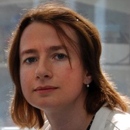
Elizabeth G. Laird
My research goals are to characterise the mechanisms of collagenous tissue development, repair and renewal. Current research interests include understanding the dynamics of collagen synthesis and turnover, the role of stem cells in musculoskeletal homeostasis and the role of glucose in musculoskeletal ageing. Tissues of interest are primarily tendon and ligament but include cartilage, bone, cornea and intervertebral disc, as well as fibrotic tissue.
This research is important because age-related degeneration and loss of function in musculoskeletal tissues is associated with chronic joint pain, limited movement, tendinopathy, ligament damage, intervertebral disc degeneration and osteoarthritis. There is both a loss of tissue integrity and propensity to fibrosis indicating that homeostasis of the collagenous extracellular matrix is lost with age. Understanding the molecular processes that create functional musculoskeletal tissues during development and growth, and which malfunction or cease to operate in aged tissues is key to developing new strategies for tissue engineering, to activate intrinsic stem cell repair mechanisms and to develop beneficial pharmaceutical, dietary or exercise-based interventions in an increasingly aged society.

Liudmila P Leppik
Assistant Director, Frankfurt Initiative for Regenerative Medicine, J.W. Goethe-Universität, Friedrichsheim Orthopedic University Hospital.
Dr. Leppik’s research background is in the fields of molecular biology and virology in Russia and Germany. Specifically her research focused on human genome activity and regulation of gene expression during tumor genesis and development and differentiation. Her current research at FIRM focuses on tissue development and regeneration.

Stefano Lorenzetti
Dr. Stefano Lorenzetti is a Senior Scientist within the Department of Food Safety, Nutrition and Veterinary Public Health at the Italian National Institute of Health.
His current main interests are on the development of both in vitro tools and functional biomarkers to screen the endocrine disrupting effects of environmental and dietary contaminants.

Julin N Maloof
Professor of Plant Biology and member of the Genome Center, University of California, Davis.
Elected Fellow, AAAS
Postdoctoral training at The Salk Institute. Doctoral Training at UCSF

Julien GA Martin
I am generally interested in understanding the causes of variation in life history traits in wild populations, with particular on the causes and consequences of within-individual variation in life history. The focus of my research is the evolutionary ecology of reproductive strategies and understanding the impact of environmental variation on adaptation and evolution of traits.
Lecturer, University of Aberdeen, Aberdeen, UK
2013-2015 Marie-Curie Fellow, University of Aberdeen, Aberdeen, UK
2010-2012 Postdoctoral fellow, UCLA, Los Angeles, USA
2006-2010 PhD University of Sherbrooke, Sherbrooke, Canada
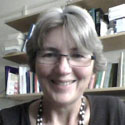
Ewa J. Mellerowicz
Professor in plant cell and molecular biology at the Department of Forest Genetics and Plant Physiology, Swedish University of Agricultural Sciences, Umea Plant Science Center.

Koji Mikami
Prof. Koji Mikami is Professor of Department of Food Resource Development in School of Food Industrial Sciences at Miyagi University, Japan. He is also President of the Japanese Society of Applied Phycology. Prof. Mikami received his PhD in Plant Science from Hokkaido University in 1990. His area of expertise focuses on the physiology and molecular biology of development and environmental stress response in seaweeds, and the biotechnology of seaweeds (gene transfer and genetic transformation, application of seaweed genes for land green plants).

David S. Milstone
Assistant Professor of Pathology, Brigham and Women's Hospital and Harvard Medical School.

Thimios A Mitsiadis
Professor of Oral Biology in the Medical Faculty at the University of Zurich, Switzerland since 2006. Research in the fields of stem cells, genetics, molecular and experimental biology related to orofacial developmental and regeneration processes.
DDS degree from the Dental Faculty of the Kapodistrion University of Athens (Greece), Master degree for Immunology, Genetics and Differentiation, and PhD in Developmental Biology from the University of Lyon (France). Postdoctoral studies at the University of Helsinki (Finland), Karolinksa Nobel Institute (Stockholm, Sweden) and Yale University (USA). Previously Professor at the Mediterranean University (Marseilles, France), Visiting Professor at the Ecole Normale Superieure of Lyon (France), Clinical Senior Lecturer at King's College London (UK), Visiting Professor at the Polytechnic University of Marche (Ancona, Italy), Visiting Professor at the Second University of Napoli (Napoli, Italy). Chief-Editor of the “Frontiers of Craniofacial Biology and Dental Research”, Associate Editor of “Stem Cell Research”, Scientific Editor of “European Cells & Materials”, and part of the editorial board in additional 8 scientific journals. More than 110 original articles in journals such as “Journal of Cell Biology”, “Development”, “Developmental Biology”, “Nature Genetics”, “Science Signaling”, “Scientific Reports”, “Frontiers in Physiology” and more than 200 keynote and invited lectures.

Sushma Naithani
Sushma Naithani is an Associate Professor Senior Research in the Department of Botany and Plant Pathology at Oregon State University, USA. The current focus of her research is on understanding information flow in living systems and how evolution shapes this flow using systems-level pathway modeling supported by high-quality biocuration, gene-orthology-based predictions, and analysis of omics data. She serves as a senior curator for the Plant Reactome knowledgebase. Sushma has authored 31 peer-reviewed refereed research articles in high-impact journals, including Nature, Nature Biotech, PNAS, etc. One of her research papers has been selected by the 'Faculty of 1000 Biology'. In addition, she has authored six book chapters and one Open Textbook (S. Naithani (2021): History and Science of Cultivated Plants published by Oregon State University Open Educational Resources, EBOOK ISBN: 978-1-955101-08-0, available at https://open.oregonstate.education/cultivatedplants). She is also an Associate Editor for Frontiers in Plant Science-Plant Biotechnology and served as the Editor-in-chief of the Current Plant Biology (2017-2023).

Corey Nislow
Corey Nislow's laboratory develops and uses cutting edge tools to address this central question: how can we understand the biological commonalities in all of the life sciences; from embryonic development, to the spread of infectious diseases to better ways to treat cancer. Each of these disciplines can be explained in the context of competition, interaction and evolution. His lab studies the interface between genes and the environment using parallel genome-wide screens, high throughput cell-based assays and next generation sequencing. Most recently, he and his scientific partner, Dr. Guri Giaever, are exploring how laboratory experiments can co-opt evolutionary processes to understand drug action. He enjoys teaching all aspects of biotechnology, genomics and drug discovery. He got his PhD from the University of Colorado, worked at several Biotechnology companies and was at Stanford and University of Toronto before joining UBC in 2013. He has published 161 papers and run 19 marathons.