

Uncovering the Culprit Behind Pearl Oyster Summer Atrophy
“Interestingly, the virus genome contains a gene sequence that is very similar to a host gene expressed in the mantle epithelium. The host gene includes the protein involved in shell formation. The virus probably incorporated the gene from the infected cells somewhere during its evolution. Though we don’t know if this gene is somehow involved in the pathogenesis of the disease, we developed specific PCR for the virus and tested Aqua Pearl oysters from various places, and the virus was detected only in the oysters from the areas that experienced summer atrophy.”
For All Readers - AI Explainer
What is the main problem affecting pearl oysters in Japan that the study addresses? The study addresses a disease called summer atrophy, which causes high mortality rates in juvenile Akoya pearl oysters and health issues in adult oysters during the warm season when seawater temperatures exceed about 20°C.
What did the researchers discover as the cause of summer atrophy in pearl oysters?
The researchers discovered a new type of virus, which they named Pinctada birnavirus (PiBV), as the cause of summer atrophy in pearl oysters.
How does this new virus affect the pearl oysters?
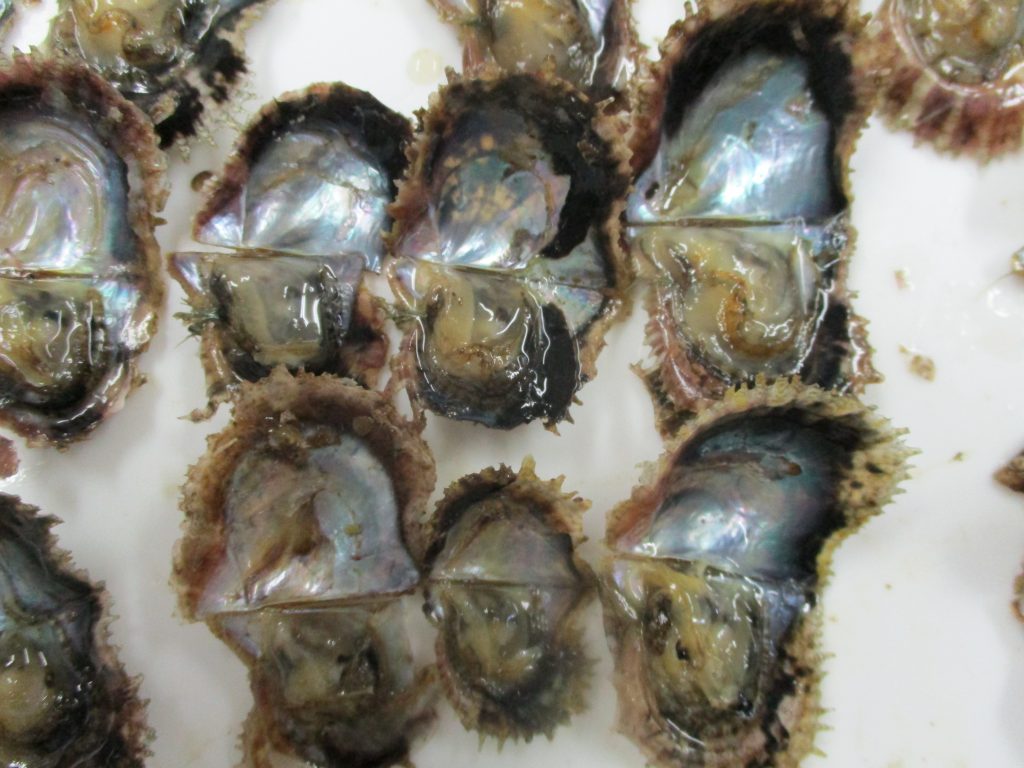
The virus infects the oysters’ mantle (a part of their body involved in shell formation), causing the soft body of the oysters to shrink (atrophy). This can lead to the death of juvenile oysters and health problems in adult oysters, such as shell disease.
Why is this discovery important for pearl farming?
This discovery is important because it helps scientists understand what causes summer atrophy, enabling them to develop diagnostic tools and strategies to manage and control the disease. This can reduce economic losses in the pearl farming industry.
How did the researchers prove that the new virus was responsible for the disease?
The researchers compared infected and healthy oysters and found the virus only in the infected ones. They also conducted tests where they infected oysters with the virus and observed the same symptoms of summer atrophy, confirming that the virus was the cause.
What new methods did the researchers develop from their findings?
The researchers developed a special test (RT-qPCR) and an immunostaining technique to detect the presence of the virus in oysters. These methods can help diagnose the disease early and investigate ways to prevent it.
Why do the researchers suggest that PiBV might form a new genus of viruses?
The researchers suggest that PiBV might form a new genus because its genetic material is quite different from other known birnaviruses, indicating that it is a unique type of virus.
What are Article Spotlights?
Spotlighted articles are press released, and feature author interviews, AI explainers and more.
If you have published in Peer J and would like to be featured in an Article Spotlight please contact PeerJ.