Expressional and functional interactions of two Apis cerana cerana olfactory receptors
- Published
- Accepted
- Subject Areas
- Cell Biology, Entomology, Molecular Biology
- Keywords
- Apis cerana cerana, Heterologous expression, Olfactory receptor, Sf9 cells, Electroantennography, Intracellular calcium assay
- Copyright
- © 2018 Guo et al.
- Licence
- This is an open access article distributed under the terms of the Creative Commons Attribution License, which permits unrestricted use, distribution, reproduction and adaptation in any medium and for any purpose provided that it is properly attributed. For attribution, the original author(s), title, publication source (PeerJ Preprints) and either DOI or URL of the article must be cited.
- Cite this article
- 2018. Expressional and functional interactions of two Apis cerana cerana olfactory receptors. PeerJ Preprints 6:e3513v1 https://doi.org/10.7287/peerj.preprints.3513v1
Abstract
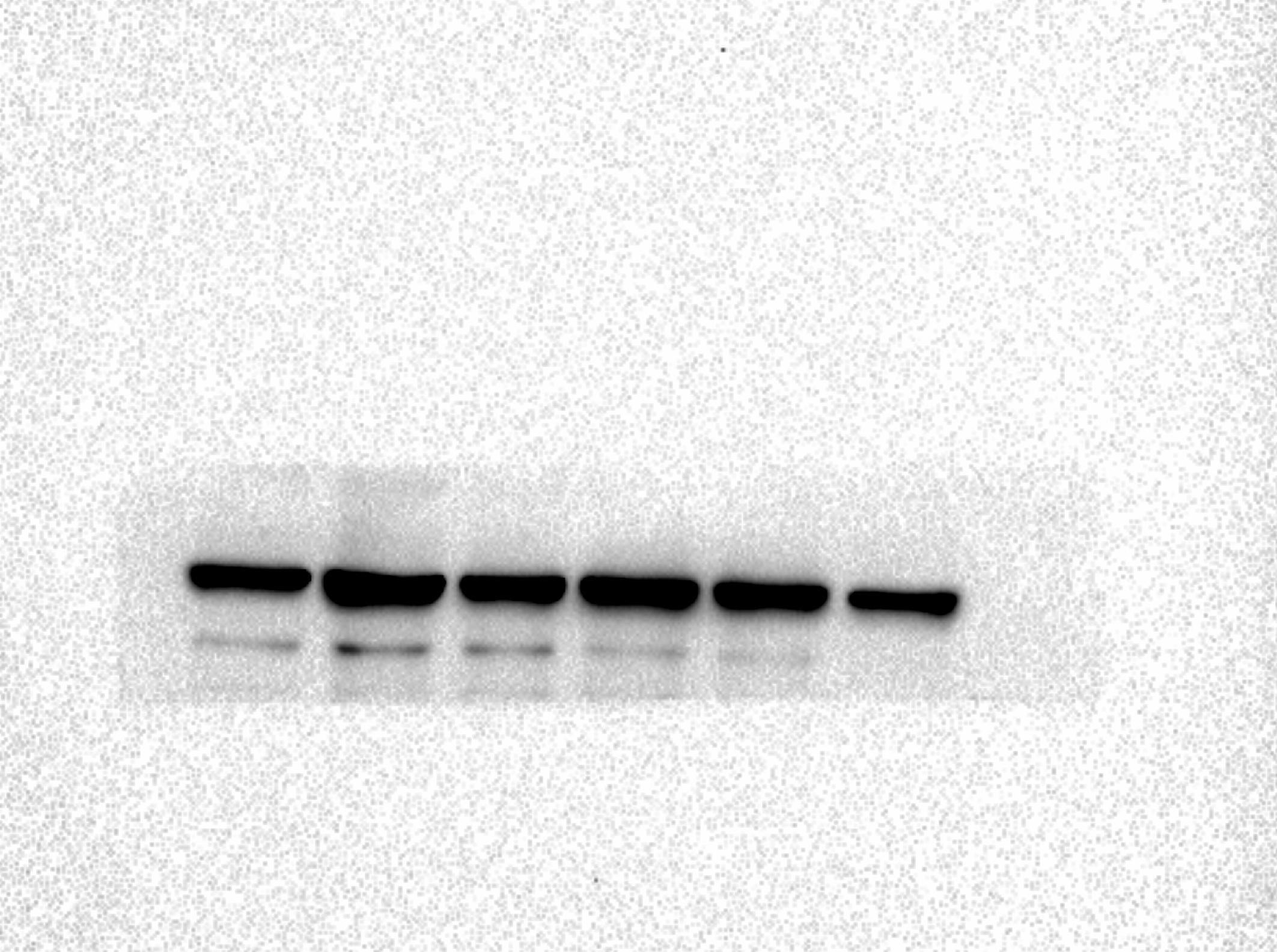
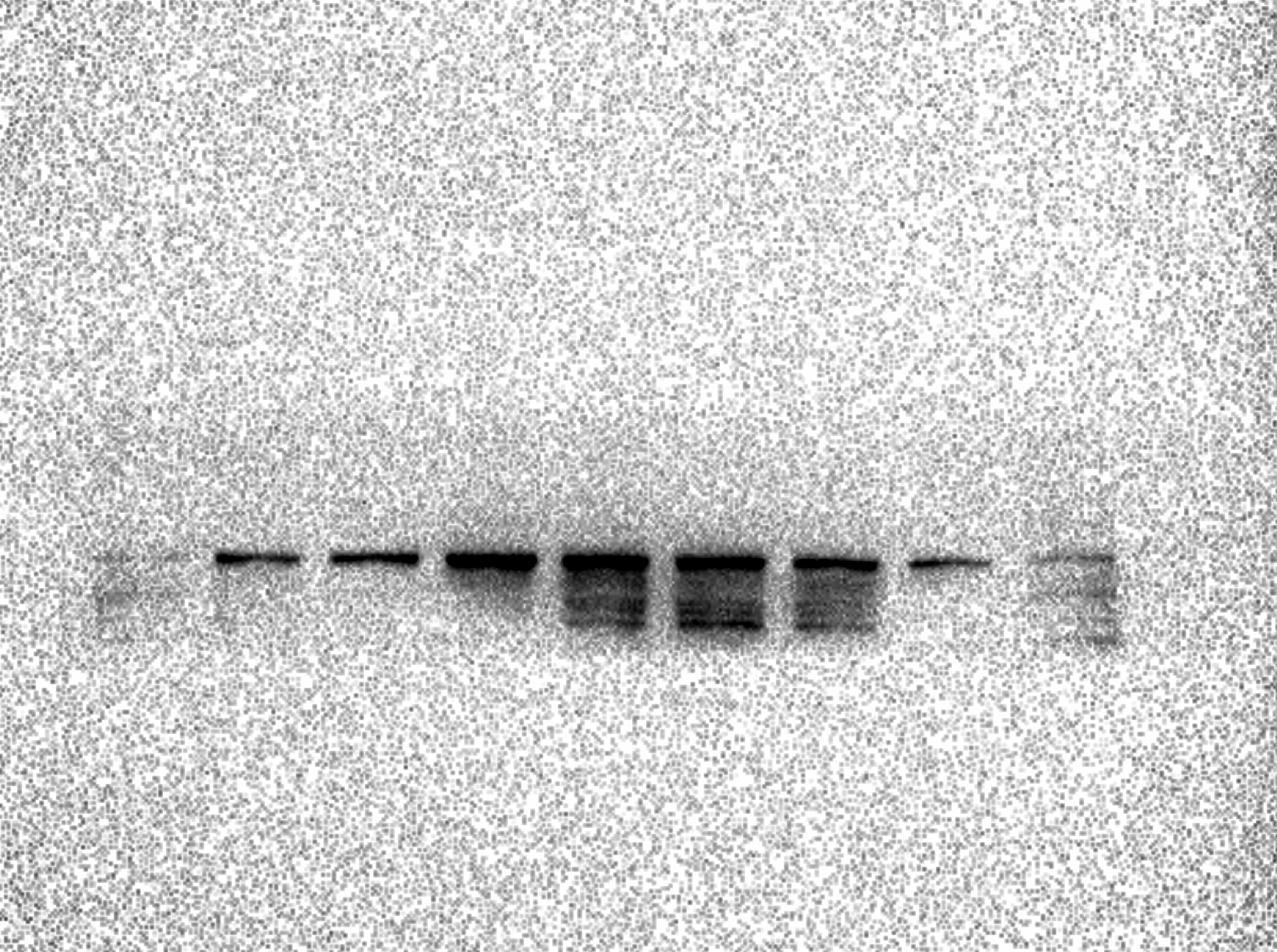
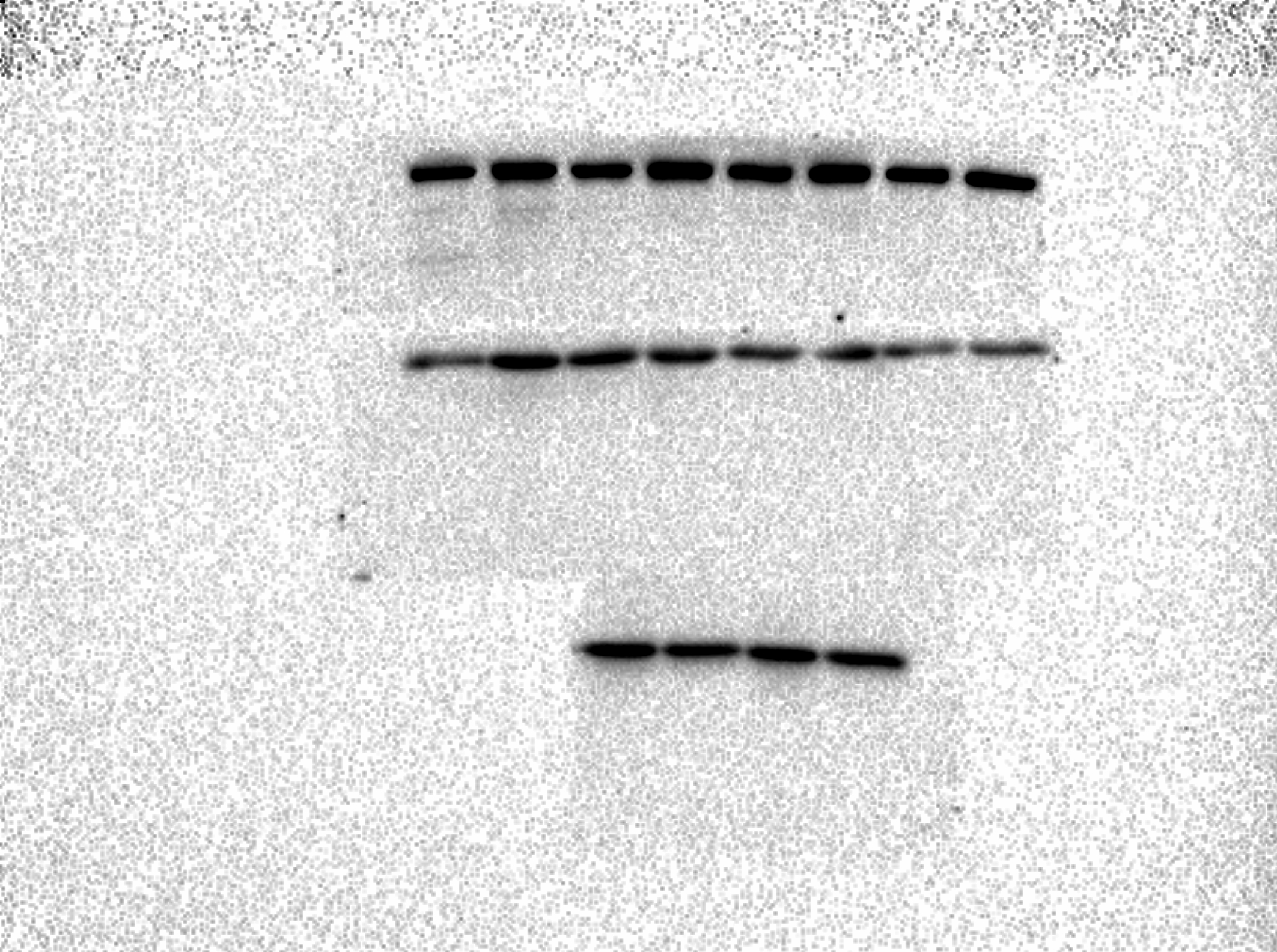
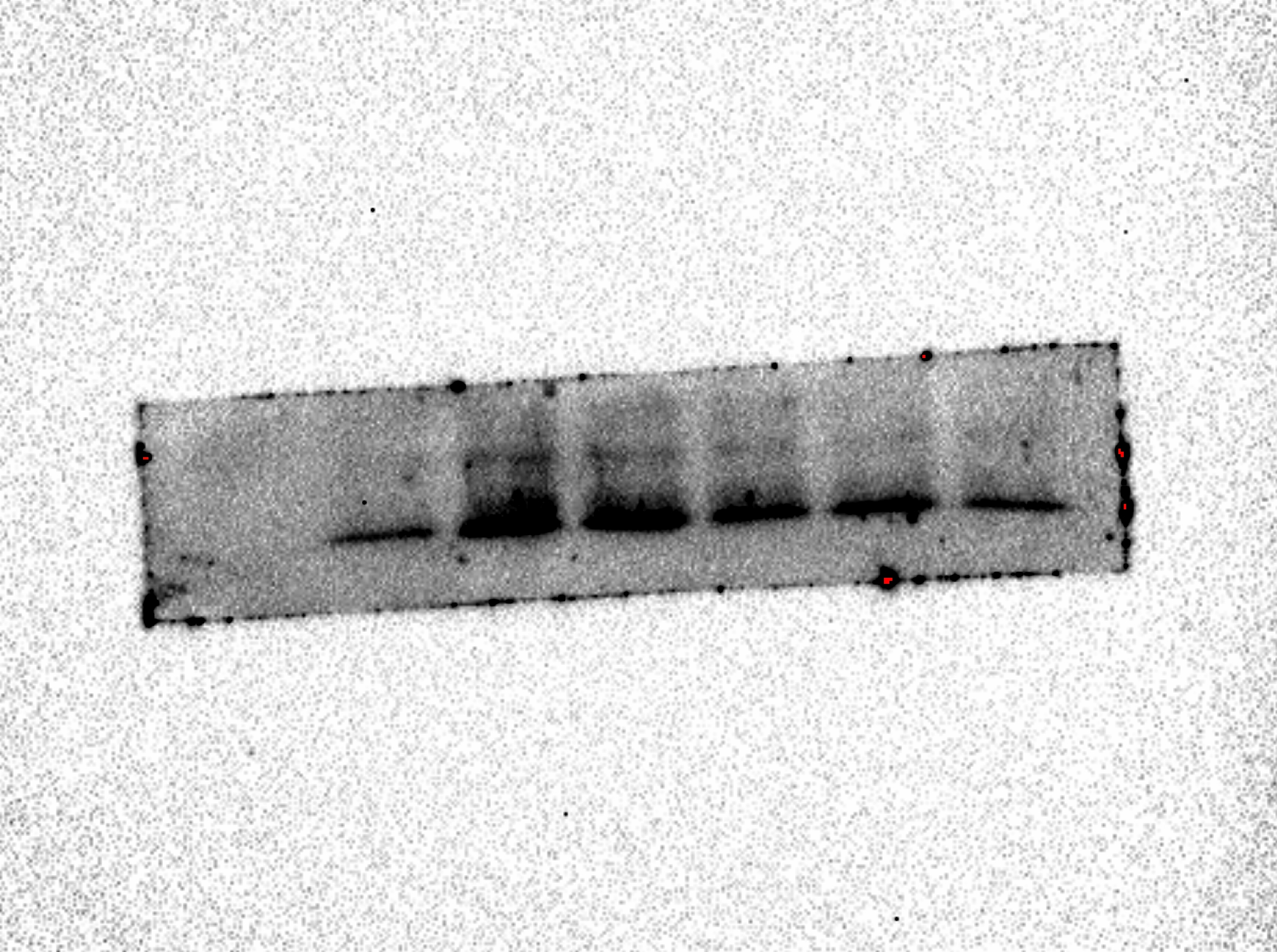
Apis cerana cerana relies on the sensitive olfactory system to perform the foraging activities in the surrounding environment. Olfactory receptors (ORs) are a primary requirement for odorant recognition and coding. However, the molecular recognition of volatile with olfactory receptor in Apis cerana cerana is still not clear. Hence, in the present study, we achieved transient transfection and cell surface expression of Apis cerana cerana ORs (AcerOr1 and AcerOr2; AcerOr2 is orthologous to the co-receptor) in Spodoptera frugiperda Sf9 cells. The results showed that both mRNA and protein levels of AcerOr1 and AcerOr2 were drastically reduced when treated with their respective double stranded (ds) RNA compared to those in the control and double-stranded green fluorescent protein (dsGFP)-treated cells. The response to Ca2+ using 33 volatile odorants indicated that the molecular receptive range of AcerOr2 narrowly responded to N-(4-ethylphenyl)-2-((4-ethyl-5-(3-pyridinyl)-4H-1, 2, 4- triazol-3-yl) thio) acetamide (VUAA1) whereas AcerOr1 was sensitive to eugenol, lauric acid, ocimene, 1-nonanol, linolenic acid, hexyl acetate, undecanoic acid, 1-octyl alcohol, and nerol, and it revealed distinct changes in the dose-response curve. We discovered ligands that were useful for probing receptor activity during odor stimulation and validated three of them using an electroantennography (EAG) assay. The response increased with the concentration of the odorant. Further, both AcerOr1 and AcerOr2 knockdowns exhibited significantly reduced intracellular Ca2+ levels in response to the corresponding ligands in vitro. Overall, the present study provides insight into the mechanism of olfactory discrimination in Apis cerana cerana.
Author Comment
This is a submission to PeerJ for review.