Data-driven classification of the certainty of scholarly assertions
- Published
- Accepted
- Subject Areas
- Bioinformatics, Computational Science, Data Mining and Machine Learning
- Keywords
- text mining, scholarly communication, certainty, FAIR Data, machine learning
- Copyright
- © 2019 Prieto et al.
- Licence
- This is an open access article distributed under the terms of the Creative Commons Attribution License, which permits unrestricted use, distribution, reproduction and adaptation in any medium and for any purpose provided that it is properly attributed. For attribution, the original author(s), title, publication source (PeerJ Preprints) and either DOI or URL of the article must be cited.
- Cite this article
- 2019. Data-driven classification of the certainty of scholarly assertions. PeerJ Preprints 7:e27829v1 https://doi.org/10.7287/peerj.preprints.27829v1
Abstract
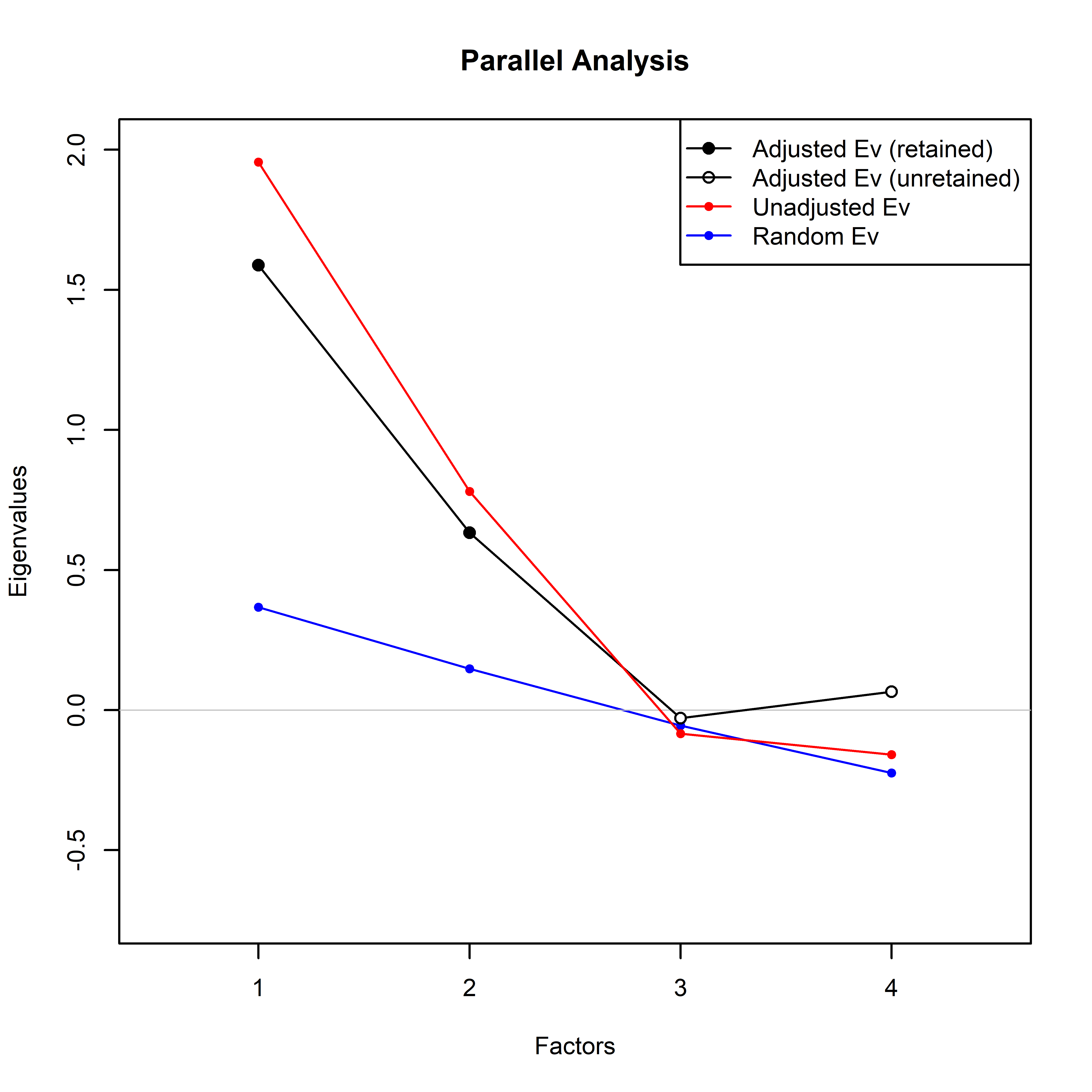
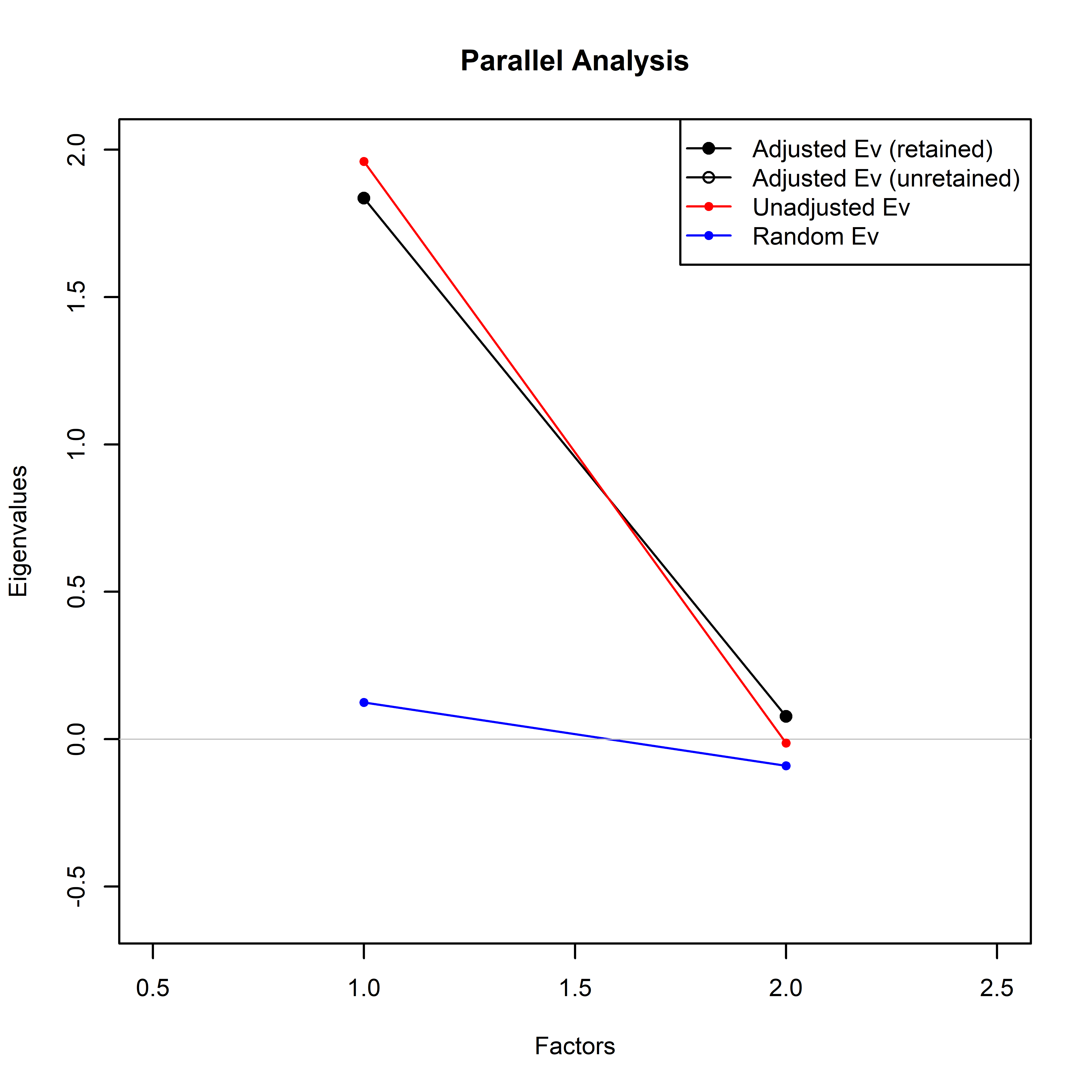
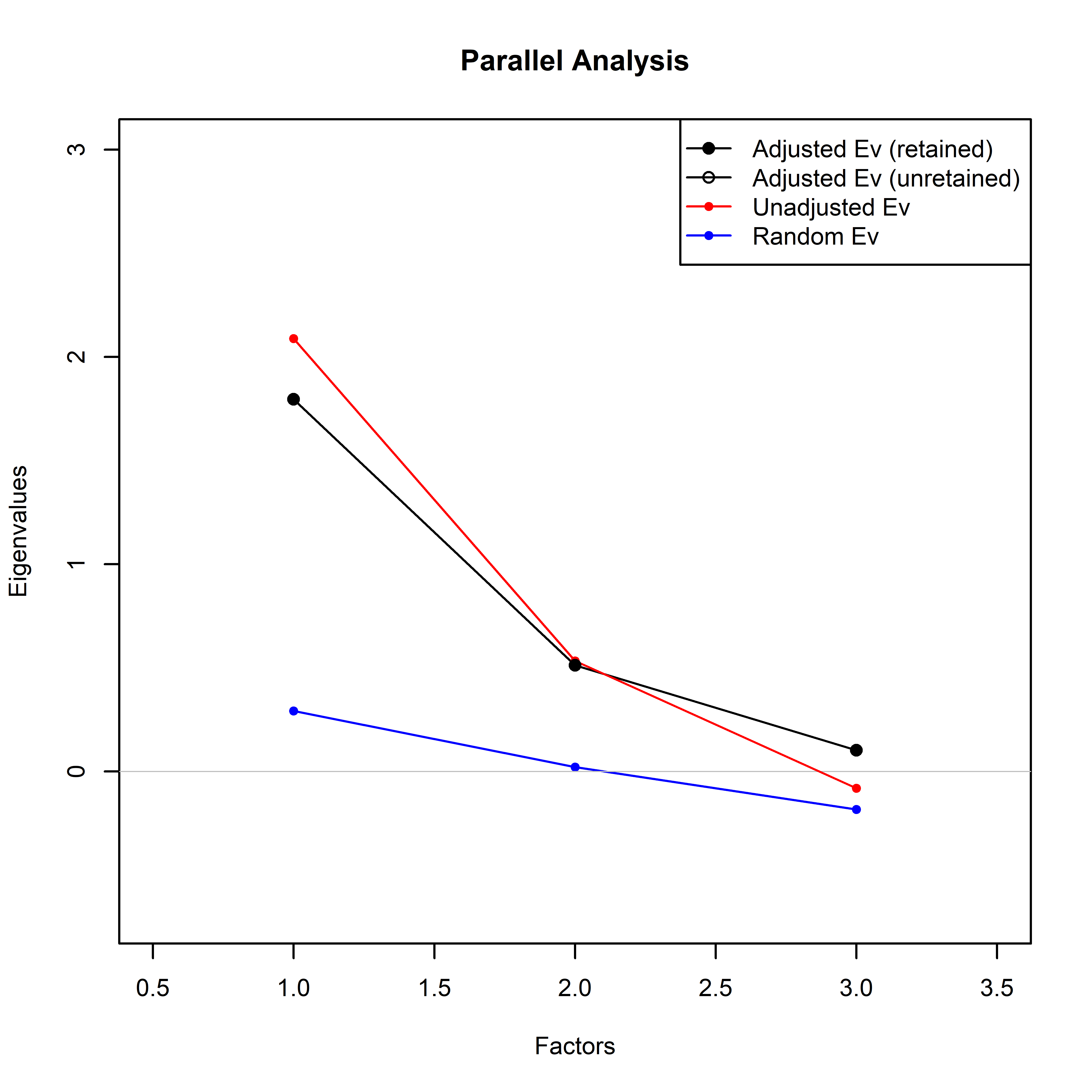
The grammatical structures scholars use to express their assertions are intended to convey various degrees of certainty or speculation. Prior studies have suggested a variety of categorization systems for scholarly certainty. However, these have not been objectively tested for their validity, particularly with respect to representing the interpretation by the reader, rather than the intention of the author. In this study, we use a series of questionnaires to determine how researchers classify various scholarly assertions, using three distinct certainty classification systems. We find that there are three categories of certainty perceived by readers: one level of high certainty, and two levels of lower certainty that are somewhat less distinct, but nevertheless show a significant degree of inter-annotator agreement. We show that these categories can be detected in an automated manner, using a machine learning model, with a cross-validation accuracy of 89.2% relative to an author-annotated corpus, and 82.2% accuracy against a publicly-annotated corpus. This finding provides an opportunity for contextual metadata related to certainty to be captured as a part of text-mining pipelines, which currently miss these subtle linguistic cues. We provide an exemplar machine-accessible representation - a Nanopublication - where certainty category is embedded as metadata in a formal, ontology-based manner within text-mined scholarly assertions.
Author Comment
This is a submission to PeerJ for review.